
Topic overview
In brief
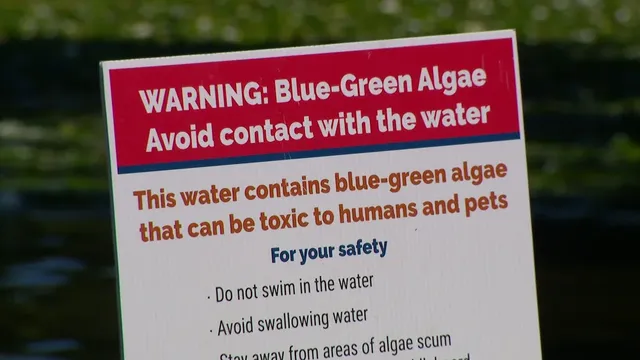
- The Minneapolis Park and Recreation Board issued a hazardous algae warning for all three beaches at Cedar Lake.
- Blue-green algae can be toxic to people and animals, prompting the city to advise against swimming.
- The closures reflect ongoing concerns about water quality and public safety in local lakes.
Summary
In the United States, specifically in Minneapolis, the Minneapolis Park and Recreation Board has taken precautionary measures by issuing a hazardous algae warning for all three beaches at Cedar Lake. This decision was prompted by a water test at Cedar Lake South Beach that indicated the presence of blue-green algae, which can be toxic to both humans and animals. The board has advised the public to avoid swimming in the lake due to the potential health risks associated with the algae. The situation is further complicated by the fact that the blue-green algae bloom is expected to shift around the lake, influenced by weather and wind conditions.
The blue-green algae blooms are a result of the summer weather conditions, particularly when water temperatures exceed 75 degrees Fahrenheit and there is ample sunshine. These conditions create an ideal environment for the algae to proliferate rapidly, leading to the formation of blooms that can appear as green, pea soup-like substances or even brown and rust-colored patches in the water. The Minneapolis Park and Recreation Board has emphasized the importance of public safety in their decision to close the beaches, as the health risks associated with exposure to blue-green algae can be significant.