
Topic overview
Briefly
- The FCC announced restrictions on imports of humanoid and animal-like robots due to data privacy concerns.
- The ban affects various devices, including Roombas, and aims to limit foreign technology in the U.S. market.
- This decision reflects the intensifying tech rivalry between the U.S. and China and raises questions about the future of robotics in America.
What happened
In the United States, the Federal Communications Commission (FCC) announced new restrictions on the importation of humanoid and animal-like robots, citing concerns over data privacy and security. This decision was made in response to the growing tech rivalry between the U.S. and China, as highlighted by Steve Lohr and Xinyun Wu in The New York Times. The FCC expressed fears that these robots could serve as 'Trojan Horses' for data collection, potentially spying on American citizens in their homes and workplaces. The measure has drawn criticism from China, which labeled it a provocation and warned of possible retaliation.
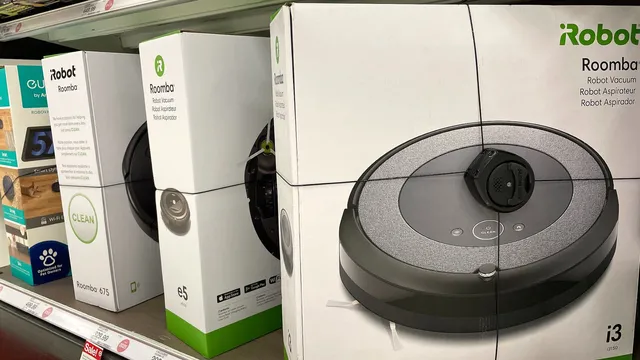
The ban specifically targets new models of foreign-made robots, including popular household devices like Roombas, which have been acquired by Chinese manufacturers. The FCC's restrictions extend to any software-controlled robot that weighs more than 4.4 pounds, can perceive its environment, and has wireless connectivity. This includes a wide range of devices such as robot lawnmowers, sidewalk delivery robots, and warehouse automation machines. While existing models can still be used, the ban aims to limit the influx of new foreign technology into the U.S. market.
The implications of this ban are significant, as advanced robotics are becoming increasingly important in an economy that relies heavily on artificial intelligence. The FCC's decision may encourage U.S. and foreign companies to establish manufacturing facilities within the United States, potentially fostering a more competitive environment for robotics development. However, the effectiveness of such measures remains uncertain, as previous bans, such as those on Chinese-made drones, have not yet led to the establishment of a competitive mass-market consumer-drone producer in the U.S.
As the tech rivalry between Washington and Beijing intensifies, the robotics sector finds itself at the forefront of this conflict. The FCC's actions reflect broader concerns about national security and the need to protect American consumers from potential surveillance threats posed by foreign technology. The ongoing developments in this area will likely shape the future of robotics and artificial intelligence in the U.S. and beyond.

Comprehensive report
Full story,
in detail.
Trace the developments that led here, see how the story evolved, and understand the forces and wider context surrounding it.