
Topic overview
In brief
- Ahmad Vahidi stated that Iran will continue its nuclear weapons program as long as the US and Israel have nuclear weapons.
- Experts warn that Iran may use negotiations over the Strait of Hormuz to delay addressing its nuclear capabilities.
- The situation poses significant risks for future negotiations and regional stability.
Summary
In recent developments, Iran's top Revolutionary Guard commander, Ahmad Vahidi, declared that Tehran would persist in its efforts to develop nuclear weapons as long as the United States and Israel maintain their nuclear arsenals. This statement has raised significant concerns regarding Iran's intentions during ongoing negotiations over the Strait of Hormuz, a critical waterway for global oil transport. Experts have warned that Iran may be using these negotiations to delay making concessions on its nuclear program while seeking relief from U.S. sanctions. The situation is further complicated by Israeli Prime Minister Benjamin Netanyahu's firm stance against Iran's nuclear ambitions, emphasizing that Israel's existence is non-negotiable.
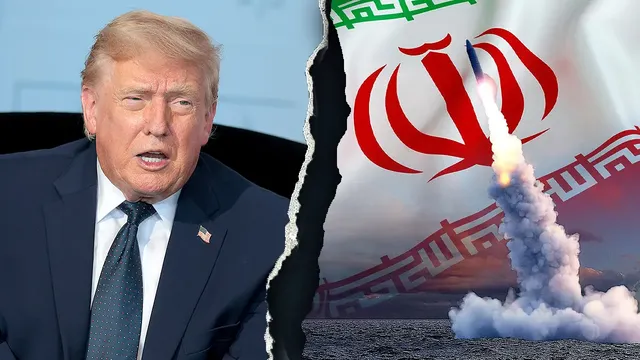
As the negotiations unfold, U.S. President Donald Trump has indicated that military action remains a possibility if Iran withdraws from talks. He has expressed that the discussions are progressing well, initially focusing on reopening the Strait of Hormuz before addressing Iran's nuclear capabilities. However, experts caution that if Iran successfully shifts the focus of negotiations away from its nuclear program, it could undermine U.S. leverage in future discussions. This concern is compounded by reports that Iran has proposed conditions that could limit U.S. influence over its nuclear activities.