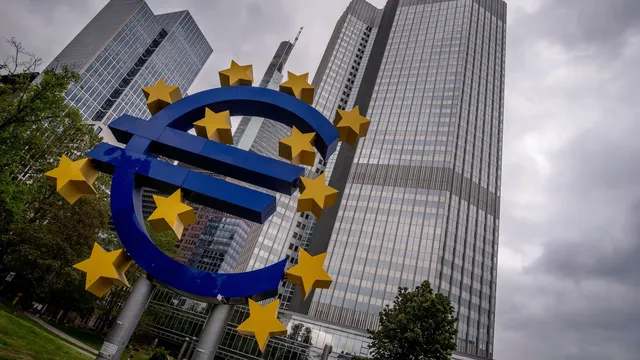
The impact of energy prices on inflation in the Eurozone is a critical area of study, particularly in the context of recent economic fluctuations. Energy prices, which include costs associated with oil, gas, and electricity, have a direct correlation with inflation rates. When energy prices rise, they increase the cost of production for goods and services, leading to higher consumer prices. This phenomenon is often referred to as cost-push inflation. In the Eurozone, where energy imports play a significant role in the economy, fluctuations in global energy prices can have pronounced effects on inflation metrics, influencing both consumer behavior and monetary policy decisions by the European Central Bank (ECB). Understanding this relationship is essential for policymakers aiming to stabilize the economy and control inflationary pressures.
In recent years, the Eurozone has experienced significant volatility in energy prices due to various factors, including geopolitical tensions, supply chain disruptions, and shifts in demand patterns. For instance, the COVID-19 pandemic led to unprecedented changes in energy consumption, with initial drops in demand followed by rapid recoveries that strained supply chains. As energy prices surged, inflation rates in the Eurozone began to rise, prompting concerns about the purchasing power of consumers and the overall economic stability of member states. The ECB has had to navigate these challenges carefully, balancing the need to support economic recovery while also addressing inflationary pressures that could undermine growth.
Moreover, the transition to renewable energy sources is reshaping the energy landscape in the Eurozone. While this transition is essential for long-term sustainability, it also introduces new dynamics into the energy market. The initial costs associated with renewable energy infrastructure can lead to short-term price increases, which may contribute to inflation. However, in the long run, the shift towards more sustainable energy sources is expected to stabilize energy prices and reduce dependence on volatile fossil fuel markets. Policymakers must consider these long-term benefits while addressing the immediate inflationary impacts of rising energy costs.
In conclusion, the interplay between energy prices and inflation in the Eurozone is a complex and evolving issue that requires ongoing analysis. As energy markets continue to fluctuate and the region transitions towards more sustainable energy solutions, understanding the implications for inflation will be crucial for economic stability. Policymakers must remain vigilant in monitoring energy price trends and their effects on inflation, ensuring that appropriate measures are taken to mitigate adverse impacts on consumers and the broader economy.