Uber fights against robotaxi legalization in Washington, D.C
politics
controversial
impactful

Uber fights against robotaxi legalization in Washington, D.C

21
(Update: )
peer-to-peer ridesharing, food delivery, and transportation network company headquartered in San Francisco, California
autonomous car technology company
  • A proposed bill in Washington, D.C. aims to legalize autonomous vehicles and update existing regulations.
  • Waymo supports the bill for its potential to enhance public transit and equitable access, while Uber opposes it, citing concerns for human drivers.
  • The conflict between Uber and Waymo over this legislation could shape the future of the autonomous vehicle market in major cities.
Share opinion
2

Story

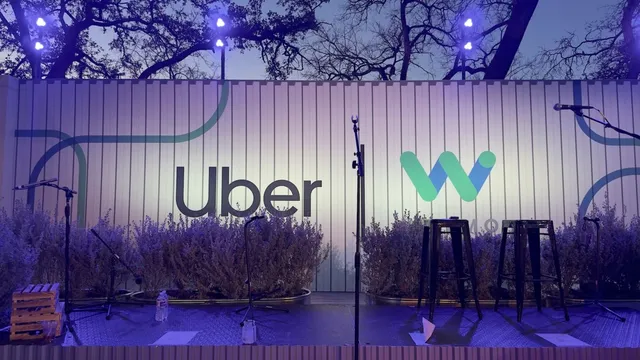
In Washington, D.C., a proposed bill aimed at legalizing autonomous vehicles has sparked a significant conflict between Uber and Waymo. The bill, introduced by Councilmember Charles Allen in May 2026, seeks to update the existing Autonomous Vehicle Act of 2012 to permit driverless testing and commercial operations within the district. Waymo supports the bill, arguing it will facilitate the safe deployment of autonomous vehicles while ensuring equitable access to public transit. In contrast, Uber has taken a strong stance against the legislation, claiming it would displace human drivers and disrupt the ride-hailing market. Uber's lobbying efforts are focused on establishing a hybrid model that would require robotaxis to operate alongside human drivers on a ride-hailing network. This approach aims to protect human jobs while allowing for the integration of autonomous vehicles. The ongoing debate has revealed deepening fractures in the relationship between Uber and Waymo, which were previously partners in the autonomous vehicle space. As the bill continues to be debated, the outcome could have significant implications for the future of both companies and the broader autonomous vehicle industry. The situation in D.C. is seen as a test case for similar legislative efforts in other major cities, highlighting the complexities of integrating autonomous technology into existing transportation frameworks.