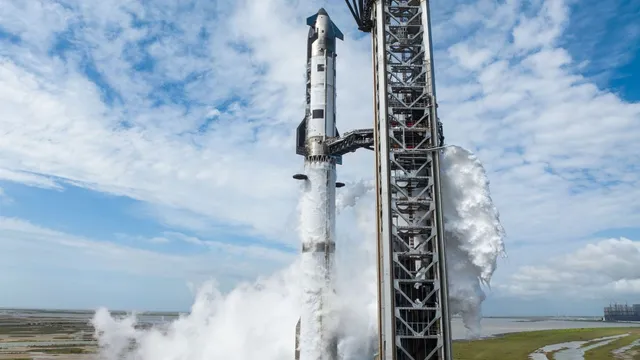
In the United States, the Federal Aviation Administration (FAA) has authorized SpaceX to resume test flights of its Starship prototypes following a thorough investigation into a booster failure that occurred during a flight in May. The company identified the probable cause of the failure, which involved issues with the booster stage's engine startup sequence and erroneous alarm system settings. SpaceX has since made modifications to improve the reliability of the booster’s re-light capabilities and engine alarm systems. The next test flight is anticipated to take place on July 16, 2026, marking the second launch of the third version of Starship, which will also carry the first third-generation Starlink satellites into space. This flight is significant as it represents SpaceX's first test as a publicly traded company, following its initial public offering on June 12, 2026, which raised nearly $86 billion. The upcoming launch aims to deploy 20 new Starlink satellites designed to enhance the satellite network's capacity and user speeds, showcasing SpaceX's commitment to its iterative development approach, often characterized by rapid failures and subsequent fixes. The previous test flight in May was largely successful, with the upper stage successfully deploying satellite simulators, despite the booster failing to return to Earth as intended. The modifications made by SpaceX are expected to reduce the likelihood of similar failures in future flights, as the company continues to push the boundaries of rocket development and satellite deployment.