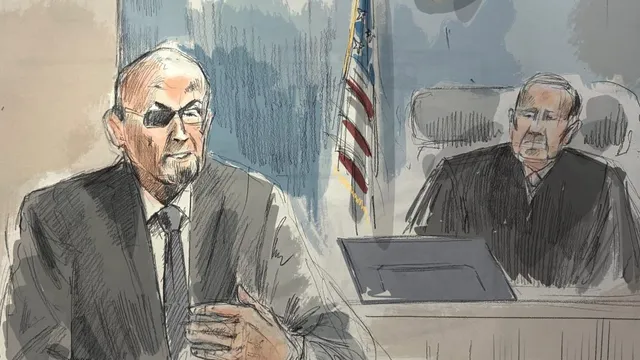
The Salman Rushdie fatwa history is a significant chapter in contemporary literature and geopolitics, stemming from the publication of Rushdie's novel "The Satanic Verses" in 1988. The book, which explores themes of identity, faith, and cultural conflict, sparked outrage among many Muslims who considered it blasphemous. The controversy escalated when Iran's Supreme Leader, Ayatollah Ruhollah Khomeini, issued a fatwa on February 14, 1989, calling for Rushdie's death. This decree not only marked a turning point in Rushdie's life but also ignited a global debate about freedom of expression, religious intolerance, and the limits of artistic license. The fatwa led to widespread protests, book burnings, and threats against Rushdie and those associated with the book, forcing him into hiding for nearly a decade under police protection.
The international response to the fatwa was mixed, with some governments and organizations condemning the call for violence while others expressed sympathy for the sentiments of the protesters. The incident highlighted the tensions between Western liberal values and Islamic beliefs, raising questions about the responsibilities of authors and the potential consequences of their work. In the years following the fatwa, Rushdie continued to write and speak out against censorship and the dangers of religious extremism, becoming a symbol of the struggle for free speech. His situation also prompted discussions about the role of literature in society and the potential risks faced by writers who challenge prevailing norms.
In the years that followed, the fatwa's impact persisted, influencing not only Rushdie's life but also the broader discourse on freedom of expression. Various attempts were made to negotiate a resolution, but the fatwa remained in effect, leading to ongoing threats against Rushdie's life. In 1998, the Iranian government announced that it would no longer pursue the fatwa, but the bounty placed on Rushdie's head by various extremist groups continued to pose a danger. The incident also inspired a wave of solidarity among writers and intellectuals, who rallied to defend Rushdie and advocate for the protection of artistic expression against censorship and violence.
As of today, the legacy of the Salman Rushdie fatwa continues to resonate in discussions about the intersection of religion, politics, and literature. The incident serves as a cautionary tale about the potential consequences of challenging deeply held beliefs and the importance of safeguarding the rights of individuals to express their thoughts freely. Rushdie's experience has become emblematic of the broader struggle against authoritarianism and the fight for human rights, reminding us of the vital role that literature plays in fostering dialogue and understanding across cultural divides.