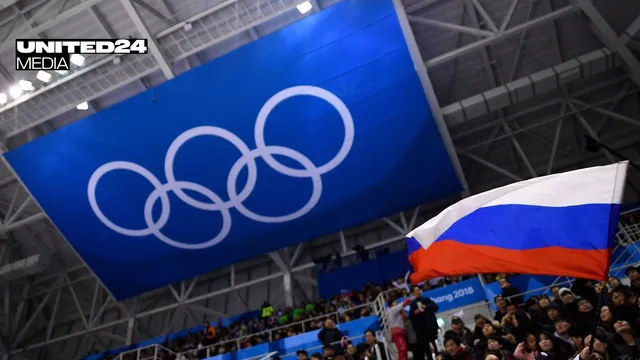
The International Olympic Committee (IOC) has a long history of suspensions that often intertwine with political implications, reflecting the complex relationship between sports and global politics. The IOC's authority to suspend National Olympic Committees (NOCs) stems from its commitment to uphold the Olympic Charter, which emphasizes the principles of fair play, non-discrimination, and the promotion of peace through sports. Suspensions can occur for various reasons, including government interference in sports, doping violations, or failure to comply with the IOC's regulations. These suspensions not only affect the athletes and the NOCs involved but also have broader implications for international relations and national pride.
One of the most notable instances of IOC suspension occurred in the 1980s during the Cold War, when political tensions led to the boycott of the Moscow 1980 Olympics by several Western nations, including the United States. In retaliation, the Soviet Union and its allies boycotted the 1984 Los Angeles Olympics. These actions highlighted how the Olympic Games, intended to be a platform for unity and peace, can become arenas for political conflict. The IOC's response to these boycotts and the subsequent suspensions of NOCs illustrated its struggle to maintain neutrality while navigating the political landscape.
In more recent years, the IOC has faced challenges related to doping scandals and governance issues, which have led to suspensions of various NOCs. For instance, the Russian Olympic Committee was suspended in 2017 due to widespread doping violations, which not only affected Russian athletes but also raised questions about the integrity of the Olympic movement. The IOC's decision to suspend Russia was met with mixed reactions, as it was seen as a necessary step to uphold the integrity of the Games, while also being criticized for its potential to politicize the Olympic spirit. This situation underscores the delicate balance the IOC must maintain between enforcing its rules and addressing the political ramifications of its decisions.
The political implications of IOC suspensions extend beyond the immediate effects on the suspended NOCs. They can influence diplomatic relations, as countries may react strongly to perceived injustices or biases in the IOC's decisions. Additionally, suspensions can impact the athletes who are often caught in the crossfire, as they may be denied the opportunity to compete on the world stage due to the actions of their governing bodies. As the IOC continues to navigate these complex issues, it remains essential for the organization to uphold its core values while being mindful of the political landscape that surrounds the Olympic movement. The history of IOC suspensions serves as a reminder of the intricate interplay between sports and politics, and the ongoing challenge of maintaining the Olympic ideal in a world often divided by political strife.