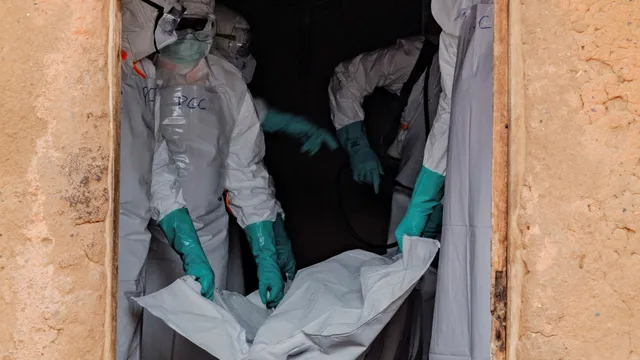
The Democratic Republic of the Congo is currently facing a severe Ebola outbreak that has resulted in over 1,500 deaths. As of the latest government update, there have been 3,442 confirmed cases of the virus, marking a significant increase in the death toll by 50 percent within just one week. The outbreak is primarily concentrated in the eastern region of the country, particularly in Ituri province, which accounts for nearly 90 percent of the cases. The ongoing conflict with armed groups in the area has severely hampered the government's ability to respond effectively to the crisis.
The Africa Centres for Disease Control and Prevention has indicated that the recent surge in deaths is partly due to a backlog of unconfirmed cases and fatalities. The Bundibugyo strain of the virus, which is the rarest variant affecting humans, currently lacks a proven vaccine, complicating containment efforts. Additionally, the region's instability has led to a shortage of public health resources, allowing the virus to spread rapidly. Community mistrust and delays in contact tracing have further hindered the response to the outbreak.
In the last two weeks, 63 percent of confirmed deaths occurred outside treatment centers, primarily due to unsafe handling of infected bodies by community members. This includes practices such as touching the remains of deceased individuals, which poses a significant risk of transmission. Healthcare workers in the affected areas have also faced challenges, including strikes over unpaid wages and unsafe working conditions, which have impeded the response efforts.
Despite the alarming rise in fatalities, the World Health Organization has stated that the risk of a global spread remains low, as Ebola is not transmitted through the air. Cases detected outside the DRC have been quickly identified and contained, preventing sustained transmission. However, the situation in the DRC remains critical, with ongoing efforts needed to control the outbreak and protect public health.