The New York Times has a rich history of puzzles that has captivated readers for decades. The journey began in 1942 when the newspaper published its first crossword puzzle, created by Arthur Wynne. This initial puzzle, which appeared on December 21, quickly gained popularity and set the stage for the crossword phenomenon in America. The success of the crossword led to the establishment of a dedicated puzzle section in the newspaper, which expanded to include various types of puzzles, such as acrostics, word searches, and logic puzzles. Over the years, The New York Times crossword has become synonymous with quality and innovation, attracting a dedicated following of solvers who eagerly await the daily challenge.
In the 1960s, The New York Times crossword underwent significant changes under the guidance of editor Eugene Maleska. Maleska introduced a more challenging style, which included obscure words and themes, appealing to a more intellectual audience. This shift solidified the crossword's reputation as a serious mental exercise and attracted a new generation of puzzle enthusiasts. The New York Times also began to feature themed puzzles, which added an extra layer of enjoyment and complexity. The introduction of the Sunday crossword, which is larger and more intricate, further enhanced the newspaper's puzzle offerings and became a staple for many readers.
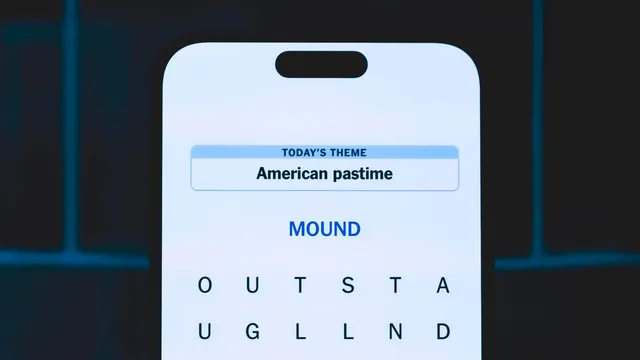
The digital age brought about a transformation in how puzzles were consumed. In 1996, The New York Times launched its online crossword, allowing solvers to access puzzles from anywhere in the world. This move not only expanded the audience but also introduced new features such as interactive solving and the ability to check answers in real-time. The online platform has since evolved, incorporating mobile applications that cater to the growing number of users who prefer solving puzzles on their smartphones and tablets. The New York Times has also embraced social media, creating a community of puzzle lovers who share tips, strategies, and their solving experiences.
Today, The New York Times puzzles continue to thrive, with the crossword remaining a flagship feature. The newspaper has expanded its puzzle offerings to include a variety of formats, such as mini crosswords and themed puzzles that reflect current events and cultural trends. The annual crossword tournament, which attracts participants from around the globe, showcases the enduring appeal of these puzzles. As The New York Times navigates the future, it remains committed to providing high-quality puzzles that challenge and entertain, ensuring that the legacy of its puzzles will continue for generations to come.