Germany is facing a significant energy crisis, exacerbated by the abandonment of cheap Russian gas imports in 2022. The German government has announced plans to introduce an energy levy aimed at funding the construction of a strategic gas reserve. This reserve is intended to ensure energy security by providing a buffer in case of supply disruptions. The reserve will be equivalent to 10% of the country's storage capacity, which is estimated to cover two weeks of wintertime usage. The construction of this reserve is projected to cost €1.5 billion, with annual maintenance costs reaching up to €310 million.
The energy levy will primarily impact the industrial sector, which is already grappling with soaring energy costs. Reports indicate that heavy industrial users could face millions of euros in additional expenses due to this levy. For households, the levy is expected to result in an increase of approximately €42 in energy bills. Germany's industrial energy costs are currently among the highest in the world, trailing only behind the UK and Japan. The situation has led to significant challenges for German manufacturers, many of whom have had to shut down factories or reduce operations since 2022.
The decision to impose this levy has sparked concerns among industry leaders, who argue that it could accelerate the deindustrialization of Germany. The German Chemical Industry Association has voiced strong opposition, stating that while securing energy supplies is crucial, placing the financial burden on the industry is not a viable solution. The country’s industrial sector, once a powerhouse in Europe, is now facing unprecedented challenges due to the energy crisis and the transition away from nuclear power in favor of renewable energy sources.
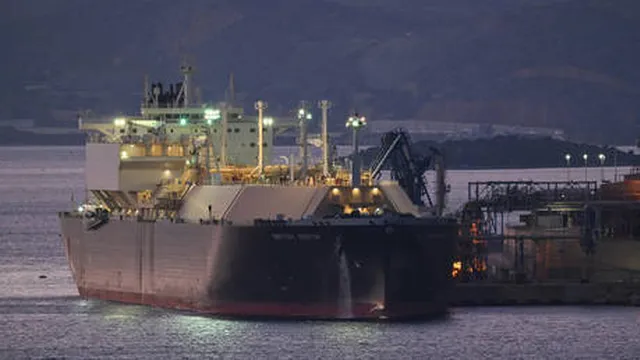
In the wake of the energy crisis, Germany has shifted its gas sourcing strategies, now relying on imports from Norway, the Netherlands, and Belgium, with American liquefied natural gas making up a significant portion of the remainder. The geopolitical landscape has also played a role in this crisis, as global LNG prices surged earlier this year due to disruptions in supply caused by geopolitical tensions. The German government has been proactive in discussing the establishment of a strategic gas reserve for several months, recognizing the need for a robust response to the ongoing energy challenges.