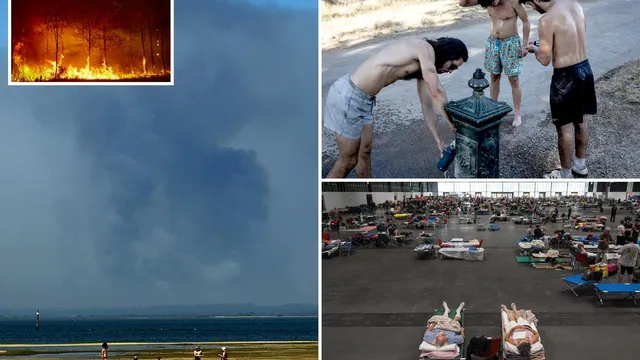
Heatwaves have become an increasingly significant factor in the occurrence and intensity of wildfires in France, particularly in recent years. The relationship between rising temperatures and wildfire activity is well-documented, with heatwaves contributing to drier conditions that facilitate the ignition and spread of fires. As climate change continues to influence weather patterns, the frequency and severity of heatwaves are expected to increase, posing a greater risk to both natural ecosystems and human settlements. This report examines the impact of heatwaves on wildfires in France, highlighting the need for effective management strategies to mitigate these risks.
During heatwaves, the combination of high temperatures, low humidity, and prolonged periods without rainfall creates an environment conducive to wildfires. Vegetation becomes parched and more susceptible to ignition, while the heat can exacerbate existing fires, making them more difficult to control. In France, regions such as the Mediterranean coast and the southeast are particularly vulnerable, experiencing some of the highest temperatures and lowest precipitation levels during summer months. Historical data indicates a correlation between extreme heat events and spikes in wildfire incidents, underscoring the urgent need for comprehensive monitoring and response strategies.
The socio-economic implications of wildfires exacerbated by heatwaves are profound. Wildfires not only threaten biodiversity and natural habitats but also pose risks to human health, property, and local economies. The destruction of forests and agricultural land can lead to long-term ecological damage, while the costs associated with firefighting efforts and recovery can strain public resources. Furthermore, the smoke and pollutants released during wildfires can have detrimental effects on air quality, leading to health issues for nearby populations. As such, understanding the dynamics of heatwaves and their role in wildfire proliferation is critical for developing effective policies and community preparedness plans.
In conclusion, the impact of heatwaves on wildfires in France is a pressing concern that necessitates immediate attention from policymakers, researchers, and the public. As climate change continues to alter weather patterns, proactive measures must be taken to enhance fire prevention, improve land management practices, and increase public awareness of wildfire risks. By investing in research and implementing adaptive strategies, France can better prepare for the challenges posed by heatwaves and their associated wildfire threats, ultimately safeguarding both its natural landscapes and its communities.