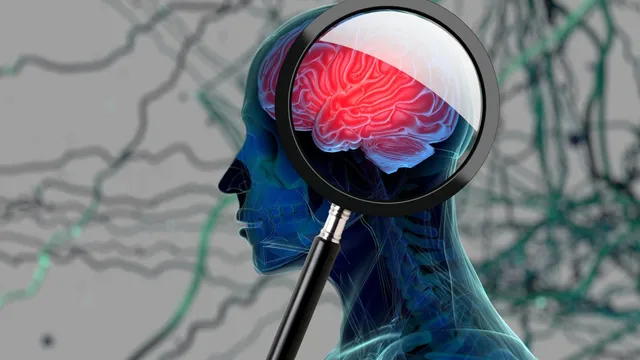
Artificial Intelligence (AI) has emerged as a transformative force in the field of medical diagnostics, enhancing the accuracy and efficiency of disease detection and management. By leveraging vast amounts of data, AI algorithms can analyze medical images, patient records, and genetic information to identify patterns that may be indicative of specific health conditions. This capability is particularly valuable in areas such as radiology, pathology, and genomics, where traditional diagnostic methods can be time-consuming and prone to human error. For instance, AI systems have demonstrated remarkable proficiency in interpreting medical images, such as X-rays and MRIs, often achieving diagnostic accuracy that rivals or surpasses that of experienced radiologists. This not only expedites the diagnostic process but also allows for earlier intervention, which can significantly improve patient outcomes.
Moreover, AI's ability to process and analyze large datasets enables the development of predictive models that can forecast disease progression and treatment responses. Machine learning algorithms can sift through electronic health records to identify risk factors and predict which patients are more likely to develop certain conditions. This proactive approach to healthcare allows for personalized treatment plans tailored to individual patient needs, ultimately leading to more effective management of chronic diseases. Additionally, AI can assist in triaging patients by analyzing symptoms and medical histories, ensuring that those who require immediate attention receive it promptly.
The integration of AI in medical diagnostics also raises important ethical and regulatory considerations. As AI systems become more prevalent, ensuring the transparency and accountability of these technologies is crucial. Healthcare providers must be equipped to understand and interpret AI-generated insights, as well as to communicate these findings effectively to patients. Furthermore, issues related to data privacy and security must be addressed, as the use of AI often involves the collection and analysis of sensitive personal health information. Regulatory bodies are tasked with establishing guidelines that ensure the safe and ethical deployment of AI technologies in clinical settings, balancing innovation with patient safety.
In conclusion, AI is revolutionizing medical diagnostics by enhancing accuracy, efficiency, and personalization in patient care. As the technology continues to evolve, it holds the potential to significantly improve health outcomes and streamline healthcare processes. However, the successful integration of AI into medical practice will depend on addressing the associated ethical, regulatory, and educational challenges. By fostering collaboration between technologists, healthcare professionals, and policymakers, the full benefits of AI in medical diagnostics can be realized, paving the way for a more effective and responsive healthcare system.