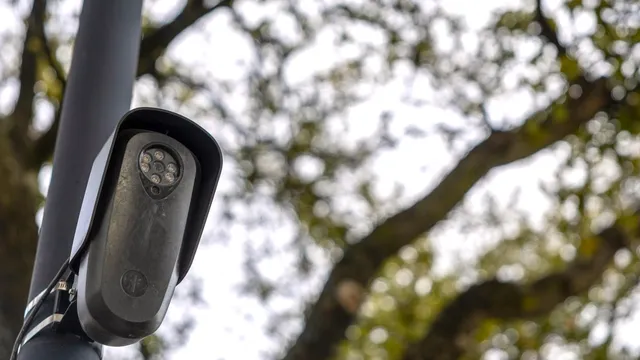
The impact of license plate readers (LPRs) on civil liberties has become a significant topic of discussion in recent years, particularly as technology continues to advance and law enforcement agencies increasingly adopt these tools. LPRs are automated systems that capture images of license plates and can store and analyze this data for various purposes, including crime prevention and investigation. While proponents argue that LPRs enhance public safety and assist in law enforcement efforts, critics raise concerns about privacy, surveillance, and the potential for abuse of power. The balance between effective policing and the protection of individual rights is at the heart of this debate.
One of the primary concerns regarding LPRs is the potential for mass surveillance. The technology allows for the collection of vast amounts of data on individuals, often without their knowledge or consent. This data can be stored for extended periods, leading to the possibility of tracking individuals' movements and activities over time. Critics argue that this level of surveillance infringes on the right to privacy and can create a chilling effect on free expression and assembly. The lack of clear regulations governing the use and retention of LPR data further exacerbates these concerns, as individuals may not be aware of how their information is being used or who has access to it.
Moreover, there are significant implications for marginalized communities, who may be disproportionately affected by the use of LPRs. Studies have shown that certain demographic groups are more likely to be targeted by law enforcement, leading to concerns about racial profiling and discrimination. The potential for biased data collection and analysis raises questions about the fairness and equity of policing practices. As LPR technology becomes more widespread, it is crucial to ensure that its implementation does not perpetuate existing inequalities or lead to further marginalization of vulnerable populations.
In conclusion, while license plate readers can provide valuable tools for law enforcement, their impact on civil liberties cannot be overlooked. The potential for mass surveillance, privacy violations, and discrimination necessitates a careful examination of how these technologies are deployed and regulated. Policymakers must strike a balance between enhancing public safety and protecting individual rights, ensuring that the use of LPRs aligns with democratic values and civil liberties. As society continues to grapple with the implications of emerging technologies, ongoing dialogue and scrutiny will be essential to safeguard the rights of all individuals.