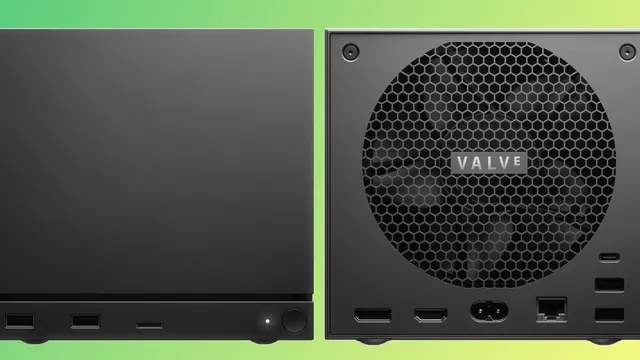
In the ongoing memory crisis affecting the electronics industry, Valve Corporation has faced significant challenges with the pricing of components for its hardware. The company recently released its Steam Machine, which has a minimum price of £879 ($1,049), a figure that exceeds their initial pricing expectations. This situation has been exacerbated by the fact that current component prices are even higher than those at the time of the Steam Machine's launch. Valve engineer Yazan Aldehayyat expressed concerns about the situation, indicating that the prices consumers see in retail stores are lagging behind the bulk supply prices by three to six months.
The implications of this crisis extend beyond Valve's products, as it is likely to affect other gaming consoles, including the PlayStation, Xbox, and Nintendo Switch. Microsoft has already announced a price increase for its Xbox Series X/S line-up, effective August 1, 2026, citing the rising costs of RAM and storage as key factors. This trend of increasing prices is not isolated to Microsoft; Sony has also raised the prices of its PS5 consoles multiple times, and Nintendo has announced a price hike for the upcoming Switch 2.
The ongoing component shortages are largely driven by the demand for RAM and storage in AI datacenters, which has created a ripple effect throughout the consumer electronics market. Microsoft has projected that component prices could double again by autumn 2027, indicating that consumers may need to brace for further price hikes in the near future. The situation has left many in the industry hopeful for a resolution, but the uncertainty surrounding component pricing continues to loom large.
As the memory crisis persists, the future of consumer electronics pricing remains uncertain. Valve's experience serves as a cautionary tale for other companies in the industry, highlighting the challenges posed by rising component costs. If the crisis continues, consumers may need to adjust their expectations regarding the pricing of gaming hardware and other electronics, as the current pricing landscape may become the new norm.