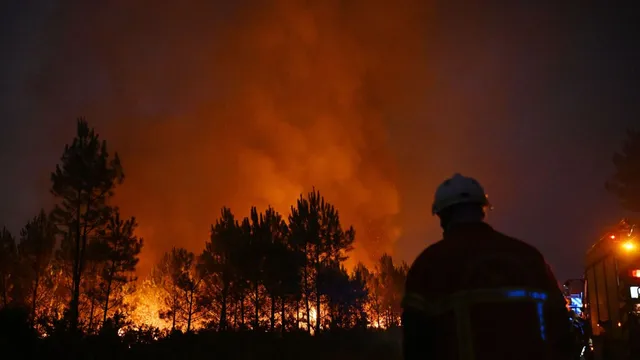
Wildfires rage across multiple countries in North America and Europe
environment
catastrophic
impactful

Wildfires rage across multiple countries in North America and Europe

10
(Update: )
country in Western Europe
country primarily in North America
country in North America
country in southwestern Europe with territories in Africa
  • Wildfires have erupted in the U.S, Canada, Spain, and France, raising concerns about their frequency.
  • Extreme weather conditions, including high temperatures and drought, have contributed to the spread of these fires.
  • The situation highlights the urgent need for effective fire management and climate change mitigation strategies.
Share opinion
1

Story

In recent days, wildfires have erupted in various regions across the United States, Canada, Spain, and France, raising concerns about the increasing frequency and intensity of such natural disasters. These wildfires have been fueled by a combination of extreme weather conditions, including high temperatures and dry spells, which have created an environment conducive to fire spread. The situation has prompted local authorities to issue evacuation orders and deploy firefighting resources to combat the flames and protect communities. As the fires continue to burn, the impact on the environment and local economies is becoming increasingly evident, leading to discussions about climate change and its role in exacerbating wildfire conditions. The wildfires have not only threatened residential areas but have also posed significant risks to wildlife and natural habitats. In addition to the immediate dangers posed by the flames, the smoke and ash from the fires have raised air quality concerns, affecting the health of residents in nearby areas. Emergency services are working tirelessly to contain the fires, but the scale of the blazes has made it a challenging task. The situation is further complicated by the ongoing drought conditions in many of the affected regions, which have left vegetation dry and more susceptible to ignition. As the fires rage on, scientists and environmentalists are examining the underlying causes of the increasing wildfire activity. Many experts point to climate change as a significant factor, suggesting that rising temperatures and changing precipitation patterns are contributing to the severity and frequency of wildfires. This has led to calls for more comprehensive fire management strategies and policies aimed at mitigating the impacts of climate change on wildfire risks. The complexities surrounding this issue highlight the need for a multifaceted approach to address both the immediate threats posed by wildfires and the long-term challenges associated with climate change. In conclusion, the wildfires currently affecting parts of the U.S, Canada, Spain, and France serve as a stark reminder of the growing challenges posed by climate change and the urgent need for action. As communities grapple with the immediate impacts of these fires, the broader implications for environmental policy and disaster preparedness are becoming increasingly clear. The situation continues to evolve, and ongoing monitoring and response efforts will be crucial in managing the aftermath of these devastating events.

Context

Climate change has emerged as a significant factor influencing the frequency and intensity of wildfires across the globe. Rising temperatures, prolonged droughts, and shifting precipitation patterns have created conditions that are increasingly conducive to wildfires. As the climate continues to warm, regions that were once less prone to wildfires are experiencing an uptick in fire activity. This phenomenon is particularly evident in areas such as the western United States, Australia, and parts of Europe, where the combination of dry conditions and high temperatures has led to devastating fire seasons in recent years. The interplay between climate change and wildfires is complex, as it not only affects the natural environment but also poses serious risks to human health, property, and ecosystems. The impact of climate change on wildfires can be attributed to several key factors. First, higher temperatures increase the rate of evaporation, leading to drier soils and vegetation. This dryness makes it easier for fires to ignite and spread. Additionally, climate change has been linked to an increase in the frequency and severity of extreme weather events, such as heatwaves and thunderstorms, which can further exacerbate fire conditions. Furthermore, the changing climate affects the timing and distribution of precipitation, resulting in longer dry seasons and shorter wet seasons. These shifts can create a buildup of dry vegetation, which serves as fuel for wildfires, increasing the likelihood of ignition and rapid fire spread. The consequences of increased wildfire activity due to climate change are profound. Wildfires not only destroy vast areas of forest and wildlife habitat but also release significant amounts of carbon dioxide and other greenhouse gases into the atmosphere, further contributing to climate change. The smoke from wildfires poses serious health risks to nearby populations, leading to respiratory issues and other health problems. Moreover, the economic impact of wildfires is substantial, with costs associated with firefighting efforts, property damage, and loss of agricultural productivity. Communities are increasingly facing the challenge of adapting to the new reality of more frequent and intense wildfires, necessitating changes in land management practices, urban planning, and emergency response strategies. In conclusion, the relationship between climate change and wildfires is a critical area of research that requires urgent attention. As the climate continues to change, understanding the dynamics of wildfires and their interactions with environmental and human systems is essential for developing effective mitigation and adaptation strategies. Policymakers, researchers, and communities must work together to address the underlying causes of climate change while also preparing for the inevitable increase in wildfire activity. This collaborative effort is vital to protect ecosystems, safeguard public health, and ensure the resilience of communities in the face of a changing climate.