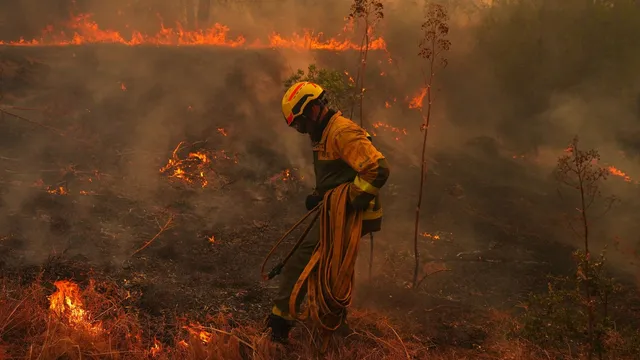
Climate change has emerged as a significant driver of wildfires across Europe, with rising temperatures, prolonged droughts, and shifting precipitation patterns contributing to an increased frequency and intensity of these events. The Mediterranean region, in particular, has been identified as a hotspot for wildfire activity, where hotter and drier conditions have created an environment conducive to the ignition and spread of fires. The interplay between climate change and wildfires is complex, as it not only affects the natural landscape but also poses severe risks to human health, biodiversity, and economic stability. As temperatures continue to rise, the likelihood of extreme weather events, such as heatwaves and storms, further exacerbates the conditions that lead to wildfires, creating a vicious cycle that is difficult to break.
The ecological impact of wildfires in Europe is profound, affecting various ecosystems and species. Forests, which serve as critical carbon sinks, are particularly vulnerable to fire damage, leading to increased carbon emissions and loss of biodiversity. The destruction of habitats can result in the displacement of wildlife and the loss of plant species, which can take decades or even centuries to recover. Additionally, the soil quality can be severely compromised, leading to erosion and reduced fertility, which further hampers recovery efforts. The socio-economic consequences are equally alarming, as wildfires can devastate local economies reliant on tourism, agriculture, and forestry. The costs associated with firefighting efforts, property damage, and health impacts from smoke exposure can strain public resources and lead to long-term financial burdens for affected communities.
In response to the growing threat of wildfires, European governments and organizations have begun to implement various strategies aimed at mitigation and adaptation. These include enhancing forest management practices, investing in fire prevention infrastructure, and promoting community awareness and preparedness programs. Additionally, there is a push for greater collaboration across borders, as wildfires do not respect national boundaries. The European Union has recognized the need for a coordinated approach to address the challenges posed by climate change and wildfires, leading to initiatives that focus on research, funding, and policy development. By fostering a culture of resilience and proactive management, Europe can better prepare for the inevitable increase in wildfire incidents.
Ultimately, addressing the impact of climate change on wildfires in Europe requires a multifaceted approach that combines scientific research, policy innovation, and community engagement. As the climate continues to change, it is imperative that stakeholders at all levels work together to develop effective strategies that not only mitigate the risks associated with wildfires but also promote sustainable land management practices. The future of Europe's landscapes, ecosystems, and communities depends on our ability to adapt to these challenges and implement solutions that safeguard both human and environmental health.