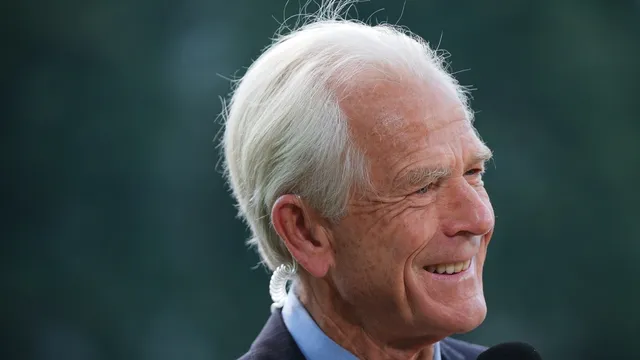
In September 2023, a jury in Washington convicted Peter Navarro, a former White House adviser, of two counts of contempt of Congress. This conviction stemmed from Navarro's refusal to comply with a subpoena issued by the House committee investigating the January 6, 2021, attack on the U.S. Capitol. The committee sought documents and testimony from Navarro regarding his involvement in efforts to overturn the 2020 presidential election results. Navarro's defense hinged on his claim that he was protected by executive privilege invoked by former President Donald Trump. However, the courts determined that he could not substantiate this claim, leading to his conviction.
Navarro was sentenced to four months in prison, which he served before being released just ahead of the 2024 Republican National Convention. Following his release, he made a public appearance at the convention, stating, "I went to prison so you won’t have to." This statement reflects his ongoing commitment to his political beliefs and his role within the Republican Party. Despite his conviction, Navarro continued to challenge the ruling, indicating his determination to fight the legal consequences of his actions.
The case against Navarro is part of a broader investigation into the events surrounding January 6, when a mob of Trump supporters stormed the Capitol in an attempt to disrupt the certification of Joe Biden's electoral victory. Navarro's actions, along with those of other Trump allies, have drawn significant scrutiny as the House committee seeks to hold individuals accountable for their roles in the insurrection. Notably, former White House chief strategist Steve Bannon also faced similar legal challenges and served time for contempt of Congress related to the same investigation.
The unanimous ruling by the three-judge panel from the U.S. Court of Appeals for the District of Columbia Circuit affirmed the lower court's decision, emphasizing that Navarro's failure to comply with the subpoena was inexcusable, regardless of any claims of executive privilege. This ruling underscores the legal principle that individuals cannot evade congressional subpoenas simply by asserting privilege without proper evidence. The implications of this case extend beyond Navarro, as it sets a precedent for how future subpoenas may be treated and the accountability of individuals in positions of power who refuse to cooperate with congressional inquiries.