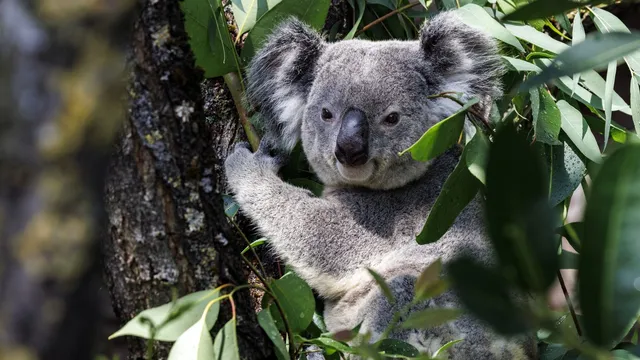
In Australia, researchers at the University of Queensland are undertaking a significant project to freeze koala eggs and sperm as a genetic backup to prevent the species from facing extinction. This initiative comes in response to alarming declines in koala populations, particularly in Queensland and New South Wales, where numbers have plummeted by up to 80% since the late 1990s due to factors such as deforestation, bushfires, drought, and disease. The Australian government has since classified koalas in their eastern range as endangered in 2022, highlighting the urgency of conservation efforts.
The freezing process involves cryopreserving koala reproductive cells in liquid nitrogen, which allows for the preservation of genetic material for several decades. This method is crucial for creating healthy koala embryos through artificial insemination and in vitro fertilization (IVF) when needed. The project aims to maintain genetic diversity, which is essential for the species' adaptability and survival in the face of environmental challenges. Andres Gambini, a reproductive biologist involved in the project, emphasized the importance of preserving genetic diversity to strengthen future generations of koalas.
Koalas are facing a dual crisis; while some populations are declining drastically, others in southern Australia are overabundant. The researchers plan to collect reproductive cells from koalas that are either deceased or unable to breed due to health issues, such as chlamydia, which affects a significant portion of the population. This infection can lead to severe health problems, including infertility in females. The team is equipped with the technology to remove infections from the samples, ensuring that the preserved cells are viable for future use.
As the koala population continues to shrink, the urgency to gather more samples increases to maintain genetic diversity. The researchers believe that traditional conservation methods, combined with innovative techniques like cryopreservation, will provide a systematic approach to rescue and preserve koala reproductive cells. This project represents a proactive step towards ensuring the survival of koalas in Australia, allowing for potential reintroductions into their natural habitats as conservation efforts progress.