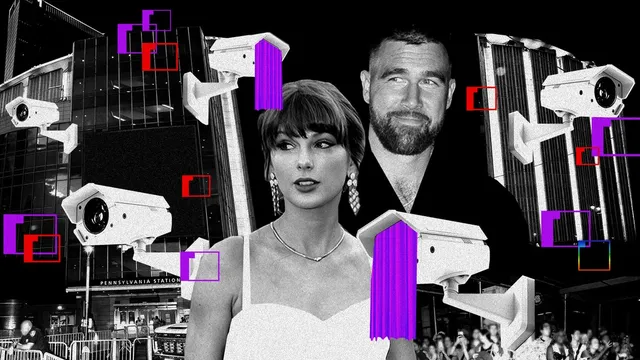
Madison Square Garden disables surveillance for celebrity wedding
entertainment
controversial
impactful

Madison Square Garden disables surveillance for celebrity wedding

10
(Update: )
American singer-songwriter (born 1989)
multi-purpose indoor arena in New York City, located in Midtown Manhattan between 7th and 8th Avenues from 31st to 33rd Streets
  • Madison Square Garden's surveillance system was disabled during Taylor Swift and Travis Kelce's wedding events.
  • The decision to lock out security cameras was made by owner James Dolan to provide privacy for the couple and their guests.
  • This unprecedented action raises questions about the balance between security and privacy in high-profile events.
Share opinion
1

Story

In July 2023, Madison Square Garden in New York City hosted a high-profile wedding celebration for pop star Taylor Swift and NFL player Travis Kelce. The event included a rehearsal dinner on July 2, attended by approximately 100 guests, followed by the wedding night on July 3, which attracted around 1,000 notable figures from various industries. On both nights, the venue's owner, James Dolan, ordered a lockout of the surveillance camera network, a significant deviation from standard security protocols. This decision was made to provide a level of privacy for the couple and their guests, as the venue is known for its extensive surveillance system, which includes face recognition technology. The lockout of the cameras was unprecedented, as the surveillance system is typically operational even during events managed by the New York Police Department. Civil libertarians expressed understanding for the couple's request, highlighting the unusual nature of the situation. The couple's decision to host their wedding at Madison Square Garden, despite its public nature, raised questions about privacy and security in high-profile events. The significant financial investment made by Swift and Kelce, estimated between $1.2 to $1.6 million, was seen as a means to secure some privacy, although experts noted that such a choice does not typically align with the desire for discretion. The incident has sparked discussions about the implications of surveillance technology in public venues and the balance between security and privacy, especially for high-profile individuals.