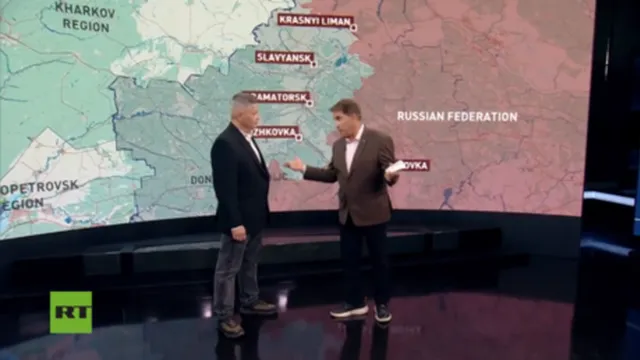
The conflict in Donbass, a region in eastern Ukraine, has its roots in a complex interplay of historical, political, and social factors. Following Ukraine's independence from the Soviet Union in 1991, the region, which has a significant population of ethnic Russians and Russian speakers, experienced tensions between pro-European and pro-Russian sentiments. The situation escalated dramatically in 2014 when Russia annexed Crimea, leading to widespread unrest in eastern Ukraine. Pro-Russian separatists in Donetsk and Luhansk declared independence, prompting a violent conflict with the Ukrainian government. This conflict has been characterized by a series of military confrontations, ceasefires, and diplomatic efforts that have largely failed to bring about a lasting resolution.
The international community has been deeply involved in the Donbass conflict, with various countries and organizations attempting to mediate peace talks. The Minsk agreements, signed in 2014 and 2015, aimed to establish a ceasefire and outline steps for a political resolution. However, violations of the ceasefire have been frequent, and the agreements have not been fully implemented. The conflict has resulted in significant loss of life, displacement of civilians, and a humanitarian crisis in the region. Reports indicate that thousands of people have died, and many more have been injured or forced to flee their homes, creating a dire situation for those caught in the crossfire.
The geopolitical implications of the Donbass conflict are profound, as it has strained relations between Russia and the West. The United States and European Union have imposed sanctions on Russia in response to its actions in Ukraine, while Russia has accused the West of interfering in its sphere of influence. The conflict has also highlighted the challenges of post-Soviet statehood and the struggle for national identity in Ukraine. As the situation continues to evolve, the potential for escalation remains, with both sides entrenched in their positions and external powers influencing the dynamics of the conflict.
As of July 2026, the situation in Donbass remains precarious, with sporadic fighting continuing despite various attempts at peace negotiations. The region is marked by a fragile status quo, where local governance is often contested, and the humanitarian needs of the population are urgent. The international community continues to call for a renewed commitment to dialogue and a comprehensive approach to resolving the conflict, emphasizing the need for respect for Ukraine's sovereignty and territorial integrity. The future of Donbass and its people hangs in the balance, as the quest for peace and stability in the region continues to face significant obstacles.