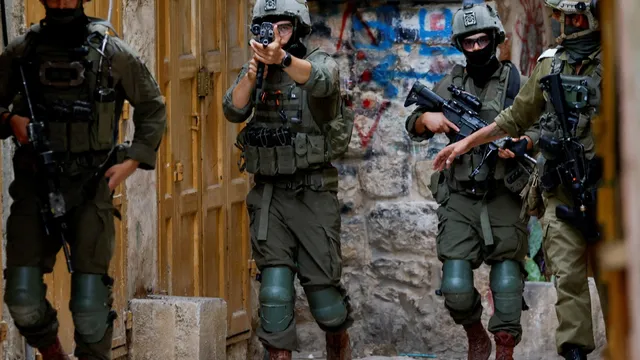
The history of violence between Israeli settlers and Palestinians is a complex and multifaceted issue that has evolved over decades, deeply rooted in historical, political, and social contexts. The conflict can be traced back to the late 19th and early 20th centuries, with the rise of nationalist movements among both Jews and Arabs in the region. Tensions escalated significantly after the establishment of the State of Israel in 1948, which led to the displacement of a large number of Palestinians, an event referred to as the Nakba, or "catastrophe." This period marked the beginning of a long-standing conflict characterized by violence, territorial disputes, and deep-seated animosities that have persisted to this day.
In the years following the establishment of Israel, violence between Israeli settlers and Palestinians intensified, particularly during the Six-Day War in 1967, when Israel occupied the West Bank and Gaza Strip. The occupation led to the establishment of Israeli settlements in these territories, which have been a major source of conflict. Settlers often clashed with Palestinian residents, leading to violent confrontations, property destruction, and loss of life on both sides. The Israeli government's support for settlement expansion has further exacerbated tensions, as Palestinians view these actions as encroachments on their land and rights.
The violence has not been one-sided; Palestinian groups have also engaged in acts of violence against Israeli settlers and military personnel. This includes both organized attacks and individual acts of violence, often in response to perceived injustices or provocations. The cycle of violence has been perpetuated by retaliatory actions from both sides, creating an environment of fear and mistrust. International efforts to mediate the conflict have often been met with limited success, as both parties remain deeply entrenched in their positions, making compromise difficult.
In recent years, the situation has continued to evolve, with periodic escalations in violence, particularly during times of heightened political tensions or significant events, such as the recognition of Jerusalem as Israel's capital by the United States in 2017. The ongoing violence has had devastating effects on both Israeli and Palestinian communities, leading to loss of life, injuries, and psychological trauma. The international community remains divided on how to address the conflict, with various proposals for peace often falling short of achieving lasting solutions. The history of violence between Israeli settlers and Palestinians is a stark reminder of the complexities of the conflict and the urgent need for a resolution that addresses the rights and aspirations of both peoples.