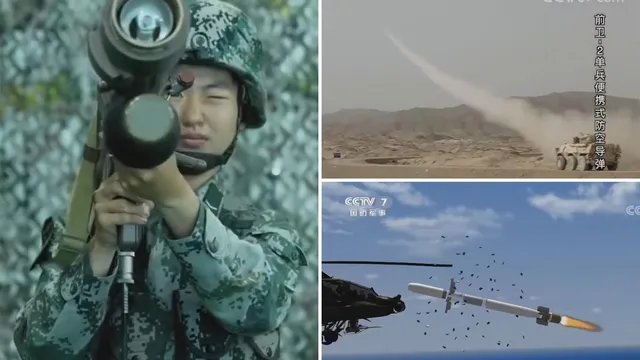
Iran is preparing to receive a significant shipment of military equipment from China, specifically up to 400 shoulder-fired missile launchers. This deal, valued between $60 million and $70 million, is part of Iran's efforts to enhance its air defense capabilities amid ongoing conflicts with the United States and Israel. The agreement involves the purchase of man-portable air defense systems (MANPADS), including the Chinese-made QW-12 and FN-16 missiles, which are crucial for protecting military sites and strategic infrastructure. The deal was facilitated by Zhongqing Baoshang International Investment, a Hong Kong-based intermediary, although the exact delivery schedule and quantities may still be subject to change.
The need for these missile systems arises from the recent military engagements that have exposed vulnerabilities in Iran's defense capabilities. The United States and Israel have conducted strikes on facilities associated with Iran's missile, drone, and air-defense programs, prompting Tehran to seek advanced weaponry to bolster its defenses. The acquisition of these portable air-defense systems is particularly important as they can be quickly deployed and relocated, making them less susceptible to enemy attacks compared to fixed installations.
Military analysts have noted that while the QW-12 system may not be as advanced as newer variants like the QW-18 and QW-19, it still provides a valuable layer of protection against low-flying threats, including drones. The procurement of these systems highlights Iran's ongoing reliance on both domestic production and foreign suppliers to meet its defense needs, despite facing years of international sanctions.
Furthermore, this deal signifies a deepening military relationship between Iran and China, as both nations explore ways to enhance their defense capabilities amid geopolitical tensions. The delivery of these missile systems is expected to occur initially by air from Urumqi in western China, with subsequent transit through Pakistan to Iran. However, the involvement of Pakistan in this supply chain has been denied by its military public relations wing, indicating the complexities surrounding the logistics of this deal.