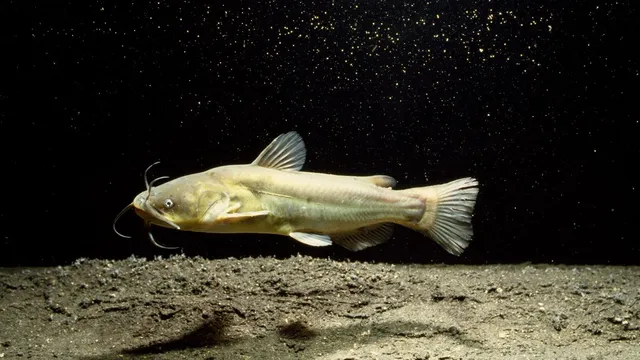
In a groundbreaking study, researchers have identified a unique form of cancer that can be transmitted between freshwater fish species, specifically in North American catfish. This discovery marks the first known instance of a transmissible cancer in fish, which has significant implications for understanding cancer biology and its evolution. The research was conducted in a lake that spans both the United States and Canada, highlighting the cross-border nature of the findings. The implications of this discovery extend beyond the immediate ecological impact, as it raises questions about the mechanisms of cancer transmission and the potential for similar occurrences in other species.
The study involved extensive fieldwork and laboratory analysis, where scientists observed the spread of cancerous cells among catfish populations. The researchers noted that the cancer cells could be transferred through physical contact, suggesting a novel method of cancer propagation that has not been documented in aquatic environments before. This finding challenges existing paradigms about cancer, which have primarily focused on genetic mutations and environmental factors as the main causes of the disease.
Furthermore, the implications of this research could lead to new insights into cancer treatment and prevention strategies. Understanding how cancer can be transmitted between individuals may open up new avenues for research into the disease's biology and potential therapies. The study also raises concerns about the health of fish populations and ecosystems, as the spread of transmissible cancer could have devastating effects on biodiversity and fishery resources.
As scientists continue to investigate this phenomenon, the findings will likely prompt further research into the ecological and evolutionary aspects of cancer. The study serves as a reminder of the complexities of disease transmission in wildlife and the need for ongoing monitoring of fish populations to assess the impact of this transmissible cancer on aquatic ecosystems.