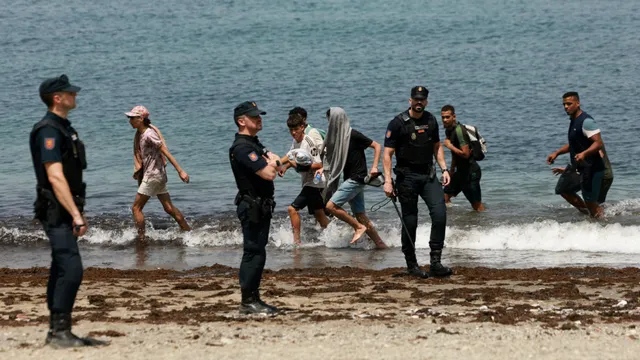
Tragedy strikes as 67 migrants die in Ceuta border rush
military conflicts
tragic
catastrophic

Tragedy strikes as 67 migrants die in Ceuta border rush

10
(Update: )
autonomous city of Spain in North Africa
sovereign state in North Africa
  • A migrant rush at Ceuta's border resulted in 67 deaths, including drownings and stampede victims.
  • Spanish Prime Minister Pedro Sánchez criticized EU leaders for their prejudiced reactions and called for a unified response.
  • The incident highlights the urgent need for effective migration policies and border control measures in Europe.
Share opinion
1

Story

In recent events in Spain, a significant migrant rush occurred at the border of Ceuta, a Spanish enclave located on the northern coast of Africa. This incident resulted in a tragic death toll of 67 individuals, with some victims drowning and others succumbing to injuries sustained during a stampede as they attempted to cross a breakwater barrier. The Spanish government reported these figures on a Saturday, highlighting the urgency and severity of the situation. The influx of migrants was met with a strong response from Spanish authorities, who emphasized the need for controlled border crossings and the prevention of illegal entry into the European Union. Spanish Prime Minister Pedro Sánchez condemned the reactions from some European Union leaders, who suggested that Spain should be suspended from the Schengen Area due to the crisis. He characterized these calls as driven by prejudice and misinformation, asserting that the security of external borders is a shared responsibility among all EU member states. Sánchez also called for a videoconference of EU interior ministers to discuss a unified response to such migration challenges, underscoring the importance of collaboration in addressing border security issues. As the situation unfolded, many migrants who had crossed into Ceuta began to return to Morocco voluntarily, citing poor treatment and lack of resources on the Spanish side. Reports indicated that some individuals faced violence from Spanish police, prompting their decision to go back. The Moroccan authorities observed the situation closely, with police and soldiers present at the border. The return of migrants was marked by a sense of exhaustion and disappointment, as many expressed their struggles during their brief time in Ceuta. The events at Ceuta have sparked a broader discussion about migration policies in Europe, particularly regarding the treatment of migrants and the responsibilities of EU nations. The tragic loss of life has raised questions about the effectiveness of current border control measures and the humanitarian implications of such crises. As the situation continues to develop, it remains crucial for European leaders to address the underlying issues driving migration and to ensure the safety and dignity of those seeking refuge.

Context

The issue of migrant deaths in the Mediterranean Sea has become a pressing humanitarian crisis, prompting responses from various European nations, particularly Spain. As a frontline state in the European Union (EU), Spain has witnessed a significant influx of migrants attempting to reach Europe, often risking their lives in perilous sea crossings. The tragic loss of life has raised urgent questions about the effectiveness of current migration policies and the responsibilities of EU member states in addressing this crisis. Spain's response has been multifaceted, involving both immediate humanitarian aid and calls for a reevaluation of EU migration strategies to prevent further tragedies at sea. In recent years, Spain has increased its search and rescue operations in the Mediterranean, collaborating with NGOs and international organizations to provide assistance to migrants in distress. The Spanish government has also advocated for a more coordinated EU approach to migration, emphasizing the need for solidarity among member states. This includes sharing the responsibility for hosting migrants and ensuring that their rights are protected. Spain's position highlights the importance of not only addressing the immediate needs of migrants but also tackling the root causes of migration, such as conflict, poverty, and human rights abuses in their countries of origin. Moreover, Spain has been vocal in its criticism of the EU's external border policies, which have often prioritized border security over humanitarian considerations. The country has called for reforms that would allow for safe and legal pathways for migration, reducing the reliance on dangerous sea routes. This includes proposals for resettlement programs and increased support for countries that host large numbers of refugees. Spain's response to migrant deaths is not only about immediate rescue efforts but also about advocating for systemic changes within the EU to create a more humane and effective migration framework. As the situation continues to evolve, Spain's role in shaping the EU's response to migrant deaths will be crucial. The country must balance its national interests with its humanitarian obligations, working towards solutions that protect the lives and dignity of migrants. The ongoing dialogue within the EU regarding migration policies will determine the future of how member states respond to this crisis. Spain's commitment to addressing the root causes of migration and advocating for a comprehensive approach will be essential in preventing further loss of life in the Mediterranean.