Professionals warn against using AI notetakers due to privacy risks
technology
controversial

Professionals warn against using AI notetakers due to privacy risks

10
(Update: )
American artificial intelligence research organization
  • AI notetakers can summarize meetings but pose significant privacy risks.
  • Concerns include the potential exposure of sensitive information and loss of attorney-client privilege.
  • Professionals are advised to check for AI notetakers and seek consent before meetings.
Share opinion
1

Story

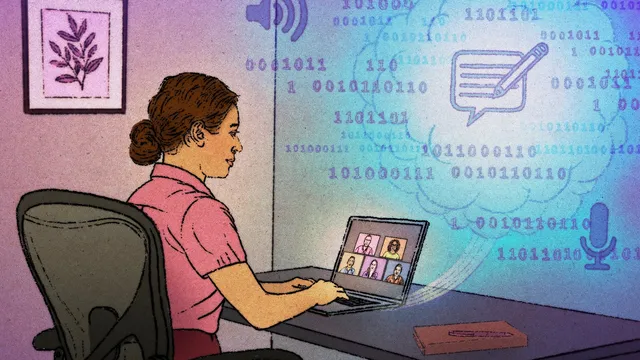
In recent discussions surrounding the use of AI notetakers, concerns have been raised about the potential risks associated with their deployment in professional settings. AI notetakers, which utilize artificial intelligence and speech recognition to summarize meetings, can inadvertently expose sensitive information such as confidential personnel data, corporate strategies, and trade secrets. This has led to a growing unease among professionals, particularly in legal contexts, where attorney-client privilege could be compromised if data is mishandled. Justin Daniels, a corporate attorney, emphasized that users often lack awareness of where their data is stored and how it may be used, raising significant privacy concerns. The technology behind AI notetakers involves creating voiceprints, which are unique biometric profiles based on an individual's voice. These voiceprints can be used to access sensitive information, including bank account details. However, the collection and storage of such biometric data are subject to legal regulations in certain jurisdictions, such as Illinois, where the Biometric Information Privacy Act mandates informed consent before voiceprints can be collected. Despite these regulations, many companies employing AI notetakers do not have adequate systems in place to ensure compliance, leaving employees vulnerable to privacy violations. As a result, professionals are encouraged to be proactive in addressing the presence of AI notetakers in meetings. Best practices include checking for the presence of an AI notetaker at the start of meetings and seeking consent from all participants before proceeding with sensitive discussions. If an AI notetaker is unexpectedly present, participants can assert their preference for a non-recorded meeting, offering to take notes themselves instead. This approach not only protects sensitive information but also fosters a culture of transparency and respect among meeting attendees. In conclusion, while AI notetakers offer the convenience of quick meeting summaries and task lists, the associated privacy risks cannot be overlooked. Professionals must remain vigilant and informed about the implications of using such technology in their workplaces. As the landscape of AI continues to evolve, it is crucial for companies to establish clear policies regarding data usage and to prioritize the protection of sensitive information in all professional interactions.

Context

In today's fast-paced and interconnected world, protecting sensitive information during meetings is of paramount importance. Organizations often discuss confidential data, proprietary strategies, and personal information that, if compromised, could lead to significant financial loss, reputational damage, or legal repercussions. To mitigate these risks, it is essential to implement a series of best practices that ensure the confidentiality and integrity of the information shared during meetings, whether they are held in person or virtually. One of the first steps in safeguarding sensitive information is to establish clear guidelines regarding who can attend meetings and what information can be shared. This includes vetting participants to ensure that only authorized personnel are present and that they understand the importance of confidentiality. Additionally, organizations should utilize secure communication channels, such as encrypted video conferencing tools, to prevent unauthorized access to discussions. It is also advisable to limit the use of personal devices during meetings, as these can be potential entry points for data breaches. Another critical aspect of protecting sensitive information is the implementation of a robust agenda and minutes policy. Meeting agendas should be distributed in advance, clearly outlining the topics to be discussed, while minutes should be recorded and stored securely. This practice not only helps in maintaining focus during the meeting but also ensures that sensitive information is documented and shared only with those who need to know. Furthermore, organizations should consider using non-disclosure agreements (NDAs) for participants, especially when discussing particularly sensitive topics, to legally bind them to confidentiality. Finally, training and awareness programs play a vital role in fostering a culture of security within an organization. Employees should be educated on the importance of protecting sensitive information and the potential consequences of data breaches. Regular training sessions can help reinforce best practices, such as recognizing phishing attempts, securely handling documents, and reporting suspicious activities. By prioritizing these measures, organizations can significantly reduce the risk of sensitive information being compromised during meetings, ultimately safeguarding their assets and maintaining trust with clients and stakeholders.