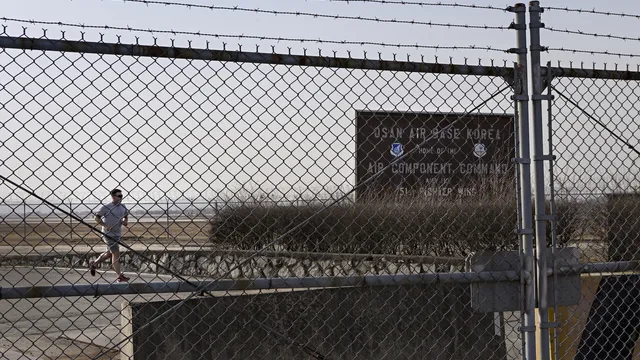
The presence of military bases in South Korea has a profound impact on local communities, influencing various aspects of life, including economic development, social dynamics, and cultural exchanges. These bases, primarily established for strategic defense purposes, have become integral to the local economies, providing jobs and stimulating business activities. Local businesses, such as restaurants, shops, and service providers, often thrive due to the patronage of military personnel and their families. This economic boost can lead to improved infrastructure and public services, benefiting both the military community and local residents. However, the reliance on military spending can also create vulnerabilities, as local economies may suffer if military budgets are cut or if troop levels are reduced due to geopolitical changes.
Socially, the interaction between military personnel and local communities can lead to both positive and negative outcomes. On one hand, cultural exchanges foster mutual understanding and cooperation, as local residents engage with service members through various community events and programs. On the other hand, there can be tensions arising from cultural differences, misunderstandings, and incidents involving military personnel. These tensions can manifest in various ways, including crime and social unrest, which can strain relationships between the military and local communities. Addressing these issues requires ongoing dialogue and collaboration to ensure that both parties can coexist harmoniously.
Moreover, the environmental impact of military bases cannot be overlooked. The establishment and operation of these facilities can lead to land use changes, pollution, and other ecological concerns that affect local communities. Residents may express concerns about noise from military exercises, contamination from hazardous materials, and the overall environmental footprint of the bases. In response, there have been calls for greater accountability and environmental stewardship from military authorities to mitigate these impacts and ensure that local ecosystems are preserved.
In conclusion, the impact of military bases on local communities in South Korea is multifaceted, encompassing economic benefits, social interactions, and environmental challenges. While these bases contribute significantly to local economies and foster cultural exchanges, they also present challenges that require careful management and cooperation between military authorities and local residents. As South Korea continues to navigate its complex geopolitical landscape, the relationship between military installations and local communities will remain a critical area of focus, necessitating ongoing research and dialogue to promote sustainable and mutually beneficial outcomes.