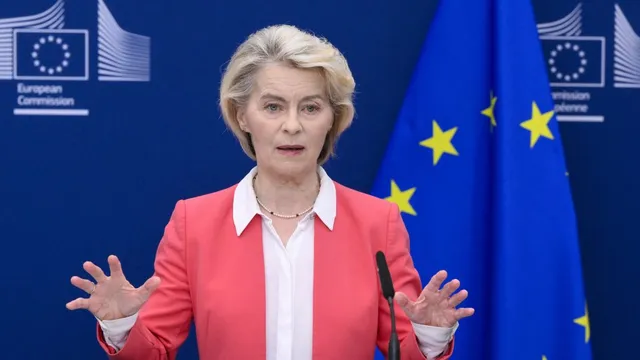
Ursula von der Leyen, the President of the European Commission, has been a prominent advocate for the regulation of social media platforms in the European Union. Her approach emphasizes the need for a balanced framework that protects users from harmful content while also safeguarding freedom of expression. The increasing influence of social media on public discourse, particularly in the context of misinformation and hate speech, has prompted calls for more stringent regulations. Von der Leyen's initiatives aim to address these challenges by proposing comprehensive legislation that holds social media companies accountable for the content shared on their platforms.
One of the key components of von der Leyen's social media regulations is the Digital Services Act (DSA), which seeks to create a safer online environment for users. The DSA outlines specific obligations for social media platforms, including the removal of illegal content, transparency in content moderation practices, and the implementation of measures to protect minors. By establishing clear guidelines, the DSA aims to ensure that social media companies take proactive steps to mitigate risks associated with harmful content, thereby fostering a more responsible digital ecosystem.
In addition to the DSA, von der Leyen has also highlighted the importance of combating misinformation, particularly in the context of elections and public health crises. The European Commission has proposed measures that require social media platforms to enhance their transparency regarding political advertising and to provide users with clear information about the sources of content. These initiatives are designed to empower users to make informed decisions and to reduce the spread of false information that can undermine democratic processes and public trust.
Overall, Ursula von der Leyen's social media regulations represent a significant step towards creating a more accountable and transparent digital landscape in the European Union. By focusing on user protection, content moderation, and the fight against misinformation, her proposals aim to strike a balance between safeguarding individual rights and promoting a healthy online environment. As these regulations continue to evolve, they will likely serve as a model for other regions grappling with similar challenges in the digital age.