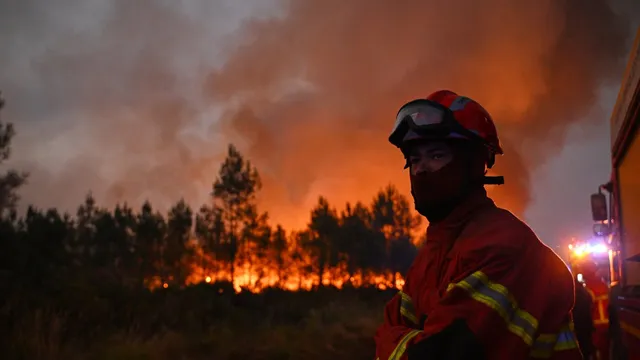
Climate change has emerged as a significant factor influencing the frequency and intensity of wildfires across Europe. Rising temperatures, prolonged droughts, and shifting precipitation patterns have created an environment conducive to wildfires. The Mediterranean region, in particular, has experienced a marked increase in wildfire incidents, with hotter summers and drier conditions exacerbating the risk. These changes are not only a result of natural variability but are increasingly linked to anthropogenic climate change, which has altered the landscape and ecosystems that are susceptible to fire. The implications of these changes are profound, affecting biodiversity, air quality, and human health, as well as leading to economic losses in affected areas.
The impact of climate change on wildfires is multifaceted. Higher temperatures can lead to increased evaporation rates, reducing soil moisture and making vegetation more flammable. Additionally, the changing climate has resulted in longer fire seasons, with some regions experiencing wildfires that start earlier in the year and last longer into the fall. This extended fire season poses challenges for firefighting efforts and increases the likelihood of large-scale wildfires that can devastate communities and natural habitats. Furthermore, the frequency of extreme weather events, such as heatwaves and storms, can create conditions that are ripe for wildfires, further complicating the landscape of fire management in Europe.
The ecological consequences of increased wildfires are significant. Forests and grasslands, which serve as critical habitats for numerous species, are often severely impacted by fire. The loss of vegetation not only disrupts local ecosystems but also contributes to soil erosion and degradation, which can have long-term effects on land productivity. Moreover, wildfires release substantial amounts of carbon dioxide and other greenhouse gases into the atmosphere, further contributing to climate change. This creates a feedback loop where climate change leads to more wildfires, which in turn exacerbates climate change, highlighting the urgent need for effective management strategies.
In response to the growing threat of wildfires, European countries are increasingly focusing on prevention and mitigation strategies. This includes enhancing forest management practices, investing in firefighting resources, and implementing community awareness programs to educate the public about fire risks. Additionally, there is a push for policies that address the root causes of climate change, such as reducing greenhouse gas emissions and promoting sustainable land use practices. As the impacts of climate change continue to unfold, it is crucial for policymakers, scientists, and communities to work together to develop comprehensive strategies that not only address the immediate threats posed by wildfires but also contribute to long-term resilience against the changing climate.