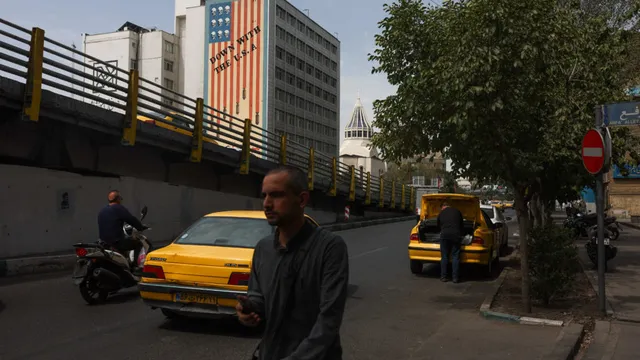
The ongoing conflict between the United States and Iran has escalated significantly, particularly in the region surrounding the Strait of Hormuz. Since the war began, U.S. military operations have resulted in the deaths of sixteen service members and injuries to over four hundred others. The situation has become increasingly dire, with Tehran's leadership warning of consequences and lessons to be learned from their actions and those of their regional proxies, collectively referred to as the 'Axis of Resistance.' This rhetoric underscores the deepening tensions and the potential for further violence in the region.
In recent days, Iranian strikes have targeted critical infrastructure in Kuwait, including a water desalination plant and an oil facility, leading to injuries and significant damage. The Kuwait Petroleum Corporation reported that these attacks have disrupted essential services, particularly as Kuwait relies heavily on desalination for its drinking water supply. The strikes have raised alarms about the vulnerability of vital infrastructure in the region and the potential humanitarian implications of such attacks.
In retaliation, U.S. airstrikes have targeted Iranian military infrastructure, including electricity and desalination plants in Iran's Hormozgan province. These strikes have reportedly resulted in numerous casualties, with Iranian authorities claiming at least fifty fatalities and over five hundred injuries in the past three weeks alone. The U.S. Central Command has emphasized that these operations are aimed at degrading Iran's military capabilities and disrupting their logistics and supply chains.
As the conflict continues, the strategic importance of the Strait of Hormuz cannot be overstated. This narrow waterway is crucial for global oil transportation, and Iran's assertion of control over it has led to a significant decrease in shipping traffic. The U.S. has expressed its intent to maintain freedom of navigation in the strait, leading to a dangerous standoff between the two nations. The ongoing exchanges of strikes and counter-strikes highlight the precarious nature of the situation and the potential for further escalation in the region.