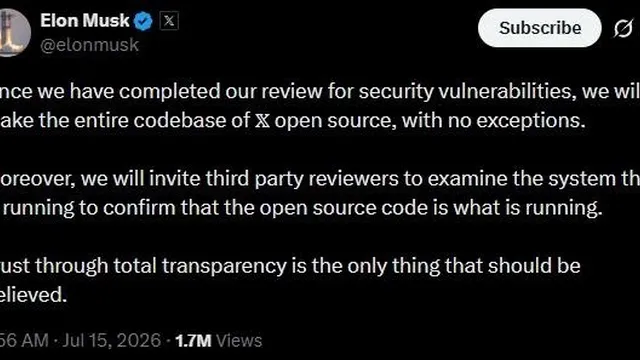
The impact of open sourcing code in social media has been profound, reshaping the landscape of how platforms operate, innovate, and engage with users. Open sourcing allows developers to access, modify, and distribute the source code of software, fostering a collaborative environment that can lead to rapid advancements in technology. In the context of social media, this practice has enabled platforms to enhance their features, improve security, and address user concerns more effectively. By leveraging the collective intelligence of a global community, social media companies can identify and rectify vulnerabilities, ensuring a safer online experience for users. Furthermore, open sourcing encourages transparency, which is crucial in an era where data privacy and ethical considerations are at the forefront of public discourse. Users are more likely to trust platforms that openly share their code, as it allows for independent verification of practices and policies regarding data handling and user privacy.
Moreover, open sourcing can drive innovation within social media ecosystems. Developers from diverse backgrounds contribute to the codebase, bringing fresh perspectives and ideas that can lead to the development of new features and functionalities. This collaborative approach not only accelerates the pace of innovation but also democratizes the development process, allowing smaller companies and independent developers to compete with larger corporations. As a result, users benefit from a wider array of tools and services, tailored to their needs and preferences. Additionally, open source projects often foster communities that support knowledge sharing and skill development, further enriching the social media landscape.
However, the open sourcing of code in social media is not without its challenges. One significant concern is the potential for misuse of the code by malicious actors. When source code is made publicly available, it can be exploited to create harmful applications or to compromise user data. Social media platforms must implement robust security measures and continuously monitor for vulnerabilities to mitigate these risks. Furthermore, the open source model can lead to fragmentation, where multiple versions of a platform exist, potentially confusing users and diluting brand identity. Companies must strike a balance between openness and control to maintain a cohesive user experience while still reaping the benefits of community collaboration.
In conclusion, the impact of open sourcing code in social media is multifaceted, offering both opportunities and challenges. It promotes transparency, fosters innovation, and enhances security through community collaboration. However, it also necessitates careful management to prevent misuse and fragmentation. As social media continues to evolve, the role of open source will likely become increasingly significant, shaping the future of how we connect, communicate, and share information online. The ongoing dialogue around open sourcing in social media will be crucial in addressing the ethical, technical, and social implications of this transformative approach.