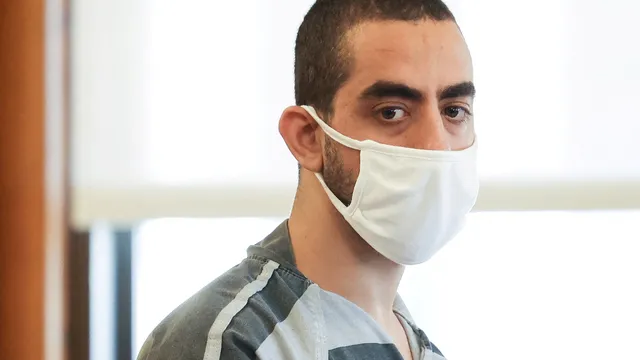
In the United States, a man named Hadi Matar, aged 28, was convicted of federal terrorism charges related to his attempted murder of the novelist Salman Rushdie. The attack occurred during a speaking engagement in New York in 2022, where Matar stabbed Rushdie, resulting in the author becoming partially blind. Matar was already serving a 25-year prison sentence for this attack, which left Rushdie severely injured. The recent trial concluded with a New York jury finding Matar guilty on all charges, including attempting to provide material support to Hezbollah, a group designated as a terrorist organization by the U.S. government.
The prosecution argued that Matar was inspired by a fatwa issued by Iran's Ayatollah Ruhollah Khomeini in 1989, which called for Rushdie's death due to perceived blasphemy in his novel, The Satanic Verses. Evidence presented during the trial indicated that Matar had discussed the fatwa on messaging apps prior to the attack, suggesting a premeditated motive. Assistant Attorney General for National Security, John Eisenberg, emphasized the chilling nature of Matar's actions, highlighting the global implications of Iranian terrorism.
Salman Rushdie, who has faced threats to his life since the fatwa was issued, testified during the trial, expressing uncertainty about Matar's motivations but acknowledging his suspicions. Rushdie has since channeled his experiences into a memoir titled Knife: Meditations After an Attempted Murder, reflecting on the impact of the attack on his life and work. The verdict marks a significant moment in the ongoing discourse surrounding freedom of expression and the consequences of extremist ideologies.
The case has drawn international attention, with Iran denying any involvement in the attack. The conviction of Matar on terrorism charges underscores the serious nature of the crime and the broader implications for authors and artists who may face threats due to their work. As the legal proceedings conclude, the focus shifts to the ongoing challenges of protecting free speech in the face of violent extremism.