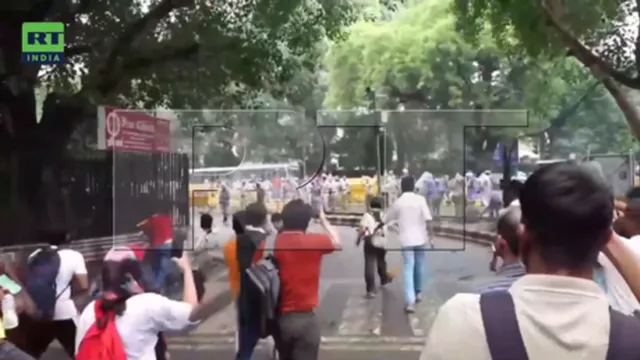
In India, on July 23, 2026, prominent activist Sonam Wangchuk concluded a 26-day hunger strike that had become a focal point for widespread protests demanding education reforms. The protests were ignited by allegations of question paper leaks in national entrance examinations, which led to public outrage and calls for the resignation of Education Minister Dharmendra Pradhan. The movement, largely driven by youth and organized under the satirical Cockroach Janta Party, gained momentum after police violence against student demonstrators, further galvanizing support across the nation.
The government responded to the escalating protests by engaging in discussions with Wangchuk and other protest leaders. During these talks, two federal ministers assured Wangchuk that the government would address his concerns, including the demand for compensation for families of students who had taken their own lives following the exam leaks. The government also promised not to pursue legal action against peaceful protesters, which was a significant point of contention. Wangchuk's decision to end his hunger strike was influenced by these assurances and the potential for further violence if protests continued.
Despite Wangchuk's withdrawal from the hunger strike, the protests showed no signs of abating. Demonstrators vowed to persist until their demands were met, particularly the resignation of the education minister and comprehensive reforms to the examination system. The protests have become one of the largest youth-led movements in recent years, reflecting broader frustrations with unemployment and government accountability in India. Prime Minister Narendra Modi acknowledged the seriousness of the issue in a video message, stating that steps had been taken to address the paper leaks and that fast-track courts would be established to handle such cases.
The ongoing protests highlight a significant moment in Indian civil society, where young people are increasingly vocal about their rights and the need for systemic change. The Cockroach Janta Party, named after a controversial remark by the Chief Justice of India, has effectively mobilized public sentiment against perceived government failures. As the situation develops, the government's response will be crucial in determining whether the protests will lead to meaningful reforms or if they will fizzle out without substantial change.