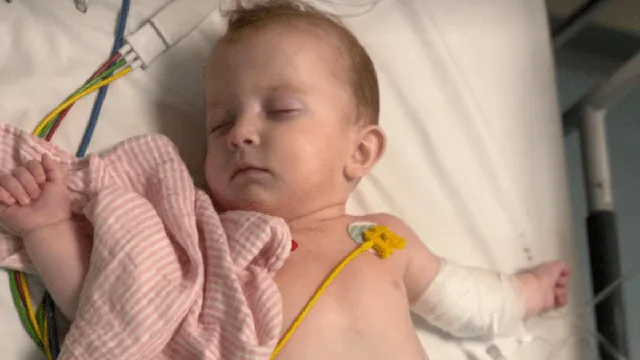
Early intervention in pediatric emergencies is crucial for improving outcomes and reducing morbidity and mortality among children. Pediatric emergencies can range from respiratory distress and allergic reactions to trauma and cardiac arrest. The unique physiological and developmental characteristics of children necessitate a different approach compared to adults. Timely recognition and management of these emergencies can significantly alter the trajectory of a child's health, making it imperative for caregivers, healthcare providers, and emergency responders to act swiftly and effectively.
The first step in early intervention is the recognition of the signs and symptoms of a pediatric emergency. Parents and caregivers should be educated about common indicators that require immediate medical attention, such as difficulty breathing, persistent vomiting, or severe pain. Training in basic first aid and CPR can empower caregivers to respond appropriately in critical situations. Additionally, healthcare professionals must be equipped with the knowledge and skills to assess and manage pediatric emergencies efficiently. This includes understanding the appropriate dosages of medications, the use of age-appropriate equipment, and the ability to communicate effectively with both the child and their guardians.
In many cases, the initial minutes of a pediatric emergency are the most critical. Rapid assessment and intervention can prevent the progression of a child's condition. For instance, in cases of anaphylaxis, administering epinephrine within minutes can be life-saving. Similarly, in respiratory emergencies, providing supplemental oxygen or initiating advanced airway management can stabilize the child until further medical help is available. Emergency medical services (EMS) play a vital role in this process, as they are often the first point of contact for children in crisis. Ensuring that EMS personnel are trained in pediatric care and equipped with the necessary tools can enhance the effectiveness of early intervention.
Furthermore, the importance of a coordinated response cannot be overstated. Collaboration among emergency departments, pediatric specialists, and primary care providers is essential for ensuring continuity of care. Establishing protocols for the transfer of pediatric patients and creating specialized pediatric emergency care centers can improve outcomes. Community awareness campaigns can also promote the importance of early intervention, encouraging families to seek help promptly. In conclusion, the significance of early intervention in pediatric emergencies cannot be underestimated. By fostering education, training, and collaboration among caregivers and healthcare providers, we can enhance the chances of positive outcomes for children facing medical crises.