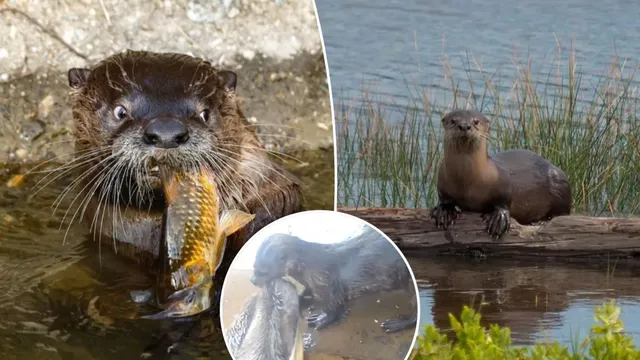
River otters kill 73 pelicans in brutal hunting spree
environment
tragic
controversial

River otters kill 73 pelicans in brutal hunting spree

10
(Update: )
lake in United States of America
  • River otters have been observed drowning brown pelicans at Abbotts Lagoon, leading to 73 pelican deaths in one season.
  • Wildlife researchers monitored the lagoon and documented the predation behavior, noting that most victims were younger pelicans.
  • The attacks are rare but have raised concerns about the impact on the local pelican population and the dynamics of predator-prey relationships.
Share opinion
1

Story

In Northern California, river otters have been observed hunting and drowning brown pelicans at Abbotts Lagoon, leading to a significant number of pelican deaths. Researchers reported that 73 pelicans were found dead during a single season, prompting an investigation into the unusual predatory behavior of the otters. Wildlife photographer Daniel Dietrich captured footage in 2023 showing otters attacking pelicans, which brought attention to the issue. Wildlife researcher Megan Isadore witnessed a similar attack in 2018, where an otter drowned a pelican and began to consume it. This alarming behavior has raised concerns among researchers about the impact on the pelican population in the area. The investigation into the otters' predation began when Isadore noticed an increasing number of pelican carcasses along the lagoon's shoreline. Along with her colleague Terence Carroll, they monitored the lagoon from June to November 2023, marking each carcass to avoid double counting and recording the ages of the victims. Most of the pelicans that were found dead appeared to be younger birds. The attacks, while rare, have been documented in other locations in Northern California, such as Rodeo Lagoon in 2006 and Lake Tolowa in 1998. However, the frequency of these attacks at Abbotts Lagoon has raised questions about the local otter population's behavior. Researchers speculate that the otters may have discovered that pelicans, being large birds, provide a substantial meal, making them an attractive target. Isadore noted that pelicans are large and have a lot of meat, which could explain the otters' predation. Despite their playful appearance, river otters are opportunistic predators with high energy needs, typically hunting various aquatic prey, including ducks, gulls, and fish. The recent surge in pelican deaths has led to a noticeable decline in the number of pelicans visiting the lagoon, as they seem to have learned to avoid the area. The situation has sparked discussions among wildlife researchers about the dynamics of predator-prey relationships and the potential long-term effects on the pelican population in the region. While the attacks have been observed to taper off, the reasons behind the spread of this hunting tactic among otters remain unclear. The ongoing research aims to understand the implications of these predatory behaviors and their impact on local wildlife populations.

Context

The impact of otter hunting on pelican populations is a complex issue that intertwines ecological dynamics, species interactions, and conservation efforts. Otters, as apex predators in aquatic ecosystems, play a significant role in maintaining the balance of their habitats. Their hunting activities can influence the populations of various prey species, including fish, which are also a primary food source for pelicans. When otter populations are reduced due to hunting, there can be a cascading effect on the ecosystem, potentially leading to an increase in fish populations. This increase may seem beneficial at first glance; however, it can lead to overpopulation of certain fish species, which may disrupt the balance of the aquatic environment and ultimately affect the availability of food for pelicans and other bird species that rely on specific fish populations for sustenance. Moreover, the hunting of otters can lead to habitat degradation, as otters contribute to the health of aquatic ecosystems through their foraging behavior. They help control the populations of herbivorous species that can overgraze aquatic vegetation, which is crucial for maintaining water quality and providing habitat for various organisms. The loss of otters can result in a decline in the overall health of these ecosystems, which can further impact pelican populations by reducing the availability of suitable nesting and feeding areas. As pelicans are highly dependent on healthy aquatic environments for their survival, any negative changes in these ecosystems can have dire consequences for their populations. Additionally, the hunting of otters raises concerns regarding the broader implications for biodiversity. The decline of otters can lead to a shift in species composition within the ecosystem, which may favor less desirable species that do not provide the same ecological benefits. This shift can create a less stable environment, making it more challenging for pelicans to thrive. Furthermore, the reduction of otter populations can lead to increased competition among pelicans and other bird species for dwindling resources, exacerbating the challenges they face in their natural habitats. In conclusion, the hunting of otters has far-reaching implications for pelican populations and the ecosystems they inhabit. The interconnectedness of species within these environments highlights the importance of considering the ecological roles of all species when implementing hunting regulations and conservation strategies. Protecting otters not only benefits their populations but also supports the overall health of aquatic ecosystems, which is vital for the survival of pelicans and many other species. Therefore, it is crucial to adopt a holistic approach to wildlife management that recognizes the intricate relationships between species and the importance of preserving biodiversity.