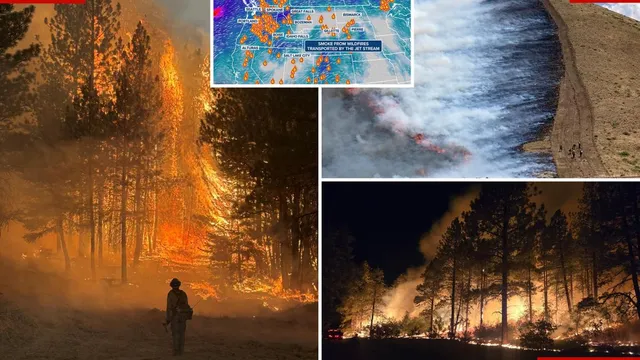
Wildfires have become an increasingly significant environmental concern in the United States, particularly due to their profound impact on air quality. The frequency and intensity of wildfires have escalated in recent years, driven by factors such as climate change, land management practices, and urban expansion into wildland areas. These fires release a variety of pollutants into the atmosphere, including particulate matter (PM), carbon monoxide (CO), volatile organic compounds (VOCs), and nitrogen oxides (NOx). The resultant smoke can travel vast distances, affecting air quality not only in the immediate vicinity of the fire but also in regions far removed from the source. This phenomenon poses serious health risks to populations, particularly vulnerable groups such as children, the elderly, and individuals with pre-existing respiratory conditions.
The particulate matter generated by wildfires is of particular concern due to its ability to penetrate deep into the lungs and enter the bloodstream, leading to a range of health issues, including respiratory infections, cardiovascular diseases, and exacerbation of asthma. Studies have shown that exposure to wildfire smoke can lead to increased hospital admissions and emergency room visits, particularly during peak fire seasons. Furthermore, the long-term effects of repeated exposure to poor air quality can contribute to chronic health problems, underscoring the need for effective public health responses and air quality management strategies.
In addition to health impacts, wildfires also have significant economic implications. The costs associated with healthcare for smoke-related illnesses, loss of productivity, and damage to property and infrastructure can be substantial. Moreover, the degradation of air quality can affect outdoor activities, tourism, and local economies that rely on clean air and natural landscapes. As such, understanding the relationship between wildfires and air quality is crucial for developing effective policies aimed at mitigating these impacts.
To address the challenges posed by wildfires, it is essential to implement comprehensive strategies that include improved land management practices, investment in fire prevention and suppression resources, and public education on the risks associated with wildfire smoke. Additionally, monitoring air quality and providing timely information to communities can help mitigate health risks during wildfire events. As climate change continues to influence the frequency and severity of wildfires, proactive measures will be vital in protecting public health and maintaining air quality across the United States.