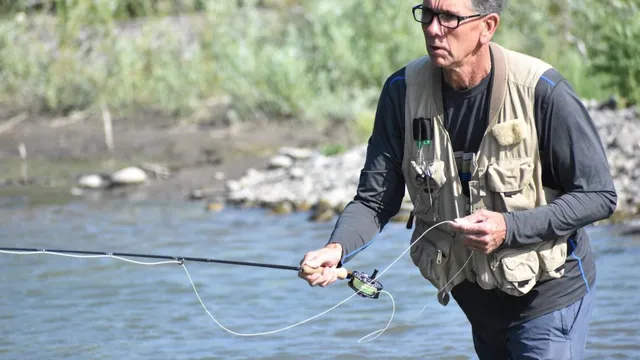
In the United States, particularly in Montana and Yellowstone National Park, significant fishing restrictions have been implemented due to climate change. As of late July 2026, Montana has closed 1,200 miles of rivers to fishing, and Yellowstone has restricted fishing for five of the past six years. These measures aim to alleviate stress on trout species, which are highly sought after by anglers. The closures are a response to rising temperatures and low water levels, which have been exacerbated by climate change, affecting the ecological balance and the local economy that relies on fishing tourism.
The restrictions have been expanded recently, with Yellowstone Park implementing afternoon fishing bans across the entire park. Wildlife officials in Montana have also broadened their restrictions, indicating a significant shift in management practices compared to previous years. The closures are not only ecological but also have economic implications for communities that depend on fishing as a source of income. Anglers from around the world travel to these regions to fish, and the restrictions could deter tourism, impacting local businesses.
Experts have noted that temperature-stressed trout, such as rainbow and cutthroat trout, are particularly vulnerable. Even brief exposure to air can be fatal for these fish, prompting many anglers to release their catches immediately. The situation has led to a reevaluation of fishing practices and the timing of fishing seasons, with some schools and organizations adjusting their schedules to avoid adverse conditions. The ongoing heat waves and changing snowpack patterns due to climate change are contributing to these challenges, making it increasingly difficult to maintain healthy fish populations.
The long-term consequences of these restrictions remain to be seen, but they highlight the urgent need for sustainable management practices in the face of climate change. As temperatures continue to rise and water levels fluctuate, the future of fishing in Montana and Yellowstone may depend on how effectively these challenges are addressed. The situation serves as a reminder of the interconnectedness of environmental health and economic stability in regions reliant on natural resources.