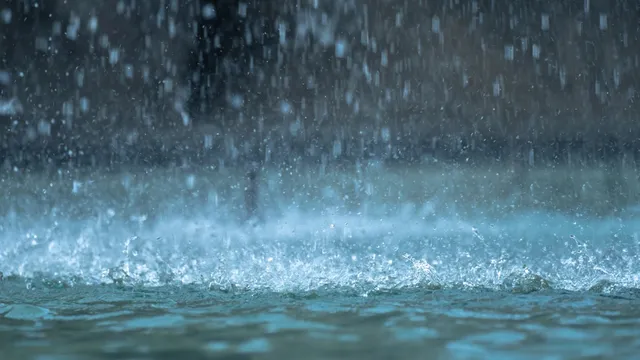
In eastern New York, a historic storm brought unprecedented rainfall, leading to severe flooding in various communities. Over a 36-hour period, some areas received more than two months' worth of rain, with Albany recording 5.45 inches on July 29 alone. This deluge resulted in significant flooding, overwhelming roads, streams, and drainage systems, prompting flash flood warnings across multiple communities. The storm's intensity was underscored by rainfall totals that meteorologists described as a 1-in-1,000-year event, with some locations experiencing rainfall amounts that far exceeded their normal July precipitation.
The National Weather Service reported that Albany experienced its fourth-wettest July on record, with around 7 inches of rain contributing to this statistic. Nearby towns recorded even higher totals, such as Schodack with 11.79 inches and Kinderhook with 11.47 inches. The storm's impact was felt not only in terms of immediate flooding but also in the long-term consequences for the affected communities, which are now grappling with the aftermath of the severe weather.
Meteorologists and climate scientists have noted that such extreme rainfall events are becoming more common due to climate change. A warmer atmosphere can hold more moisture, leading to increased potential for intense downpours. For every 1 degree Celsius of warming, the atmosphere can hold about 7 percent more water vapor, which contributes to the frequency of heavy rainfall events that were once considered rare. This trend raises concerns about the future of weather patterns and the increasing risk of flooding in vulnerable areas.
As communities continue to deal with the effects of this storm, the National Weather Service has issued warnings about ongoing flooding in rivers, creeks, and other low-lying areas. The situation remains critical, with areas of slow-moving or standing water posing additional risks to residents. The storm serves as a stark reminder of the growing threat posed by extreme weather events, highlighting the need for preparedness and resilience in the face of changing climate conditions.