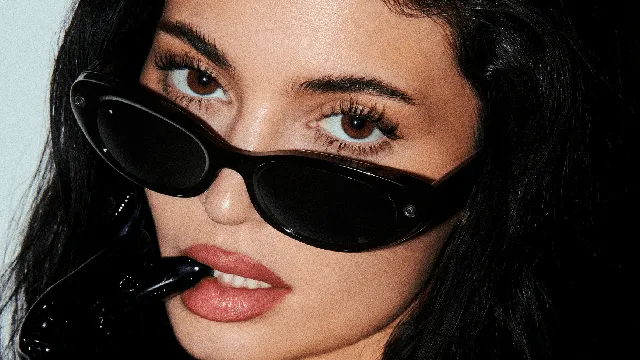
In early July 2026, during a performance in Madrid, singer-songwriter Lorde expressed her disdain for smart glasses, referring to them as 'fucked-up' and urging the audience to reject them. This public outcry highlights the growing backlash against smart glasses, particularly among women who feel increasingly unsafe with the technology. The rise of smart glasses, which have seen significant growth in recent years, has primarily targeted male consumers, leaving many women wary of their potential for misuse. Reports of harassment and privacy violations associated with these devices have fueled this apprehension, leading to a broader movement against their adoption.
As tech companies like Meta attempt to market smart glasses to women, they face significant resistance. The Kardashians, known for their influence in the tech space, have been enlisted to promote these products, but this strategy has not been well-received by many women. Critics argue that the promotion of smart glasses by high-profile figures like Kylie Jenner only serves to normalize a technology that many perceive as a threat to their safety. The backlash is not just limited to social media; it is expected to manifest in public protests and boycotts against the companies involved.
The controversy surrounding smart glasses is indicative of a larger societal concern regarding privacy and surveillance, particularly in the context of women's safety. As more women become aware of the potential dangers posed by these devices, the demand for accountability from tech companies is likely to grow. The backlash against smart glasses may lead to a significant shift in how these products are marketed and perceived, as companies will need to address the legitimate fears of their target audience.
In conclusion, the public's reaction to smart glasses, especially among women, signals a critical moment for the tech industry. As the conversation around privacy and safety continues to evolve, companies must navigate the complexities of consumer sentiment and the ethical implications of their products. The future of smart glasses may depend on how well these companies can respond to the concerns raised by influential voices like Lorde and the broader community of women who feel threatened by the technology.