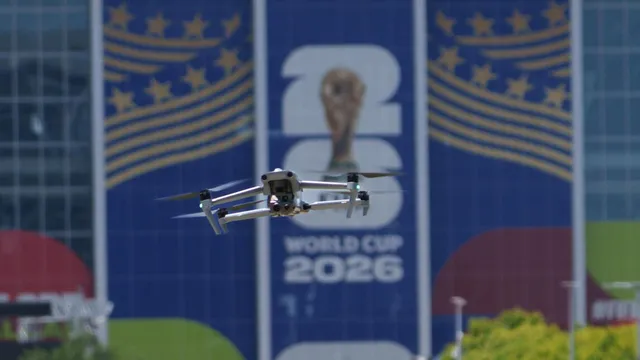
The impact of drone tracking technology on public safety has become a significant area of interest as the use of drones continues to expand across various sectors. Drones, equipped with advanced tracking technology, have the potential to enhance public safety by providing real-time surveillance, aiding in emergency response, and assisting law enforcement agencies. The ability to monitor large areas quickly and efficiently allows for improved situational awareness, which is crucial during emergencies such as natural disasters, search and rescue operations, and public events. By utilizing drone technology, authorities can gather critical information that can lead to faster decision-making and more effective resource allocation, ultimately saving lives and minimizing harm to the public.
However, the integration of drone tracking technology into public safety measures also raises important concerns regarding privacy and civil liberties. The capability of drones to capture high-resolution images and video can lead to potential misuse, where individuals may be monitored without their consent. This has sparked debates about the need for regulations and guidelines to ensure that drone usage is balanced with the protection of individual rights. Policymakers are tasked with creating frameworks that allow for the benefits of drone technology to be realized while safeguarding citizens from potential overreach and surveillance abuses.
Moreover, the effectiveness of drone tracking technology in enhancing public safety is contingent upon the collaboration between various stakeholders, including government agencies, law enforcement, and the community. Public trust is essential for the successful implementation of drone programs, and transparency in operations can help alleviate concerns regarding privacy. Engaging with the community to educate them about the benefits and limitations of drone technology can foster a more informed public dialogue, leading to greater acceptance and support for these initiatives.
In conclusion, while drone tracking technology presents significant opportunities for improving public safety, it is imperative to address the associated challenges. Striking a balance between leveraging the advantages of drones for surveillance and emergency response while protecting individual privacy rights is crucial. As technology continues to evolve, ongoing discussions and evaluations will be necessary to ensure that drone tracking serves the public good without compromising the values of a free society.