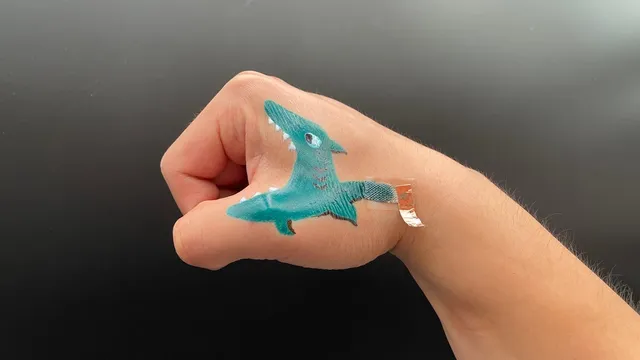
The future of wearable medical technology is poised to revolutionize healthcare by enhancing patient monitoring, improving disease management, and facilitating preventive care. As technology continues to advance, wearables are becoming increasingly sophisticated, integrating features such as real-time health tracking, data analytics, and connectivity with healthcare providers. These devices, which include smartwatches, fitness trackers, and specialized medical wearables, are designed to monitor vital signs, physical activity, and other health metrics, providing users with valuable insights into their health status. The integration of artificial intelligence and machine learning algorithms into these devices allows for more accurate data interpretation and personalized health recommendations, making them essential tools for both patients and healthcare professionals.
One of the most significant trends in wearable medical technology is the shift towards remote patient monitoring. This approach enables healthcare providers to track patients' health data from a distance, reducing the need for in-person visits and allowing for timely interventions when necessary. For chronic disease management, wearables can help patients adhere to treatment plans by providing reminders and alerts, ultimately leading to better health outcomes. Additionally, the COVID-19 pandemic has accelerated the adoption of telehealth and remote monitoring solutions, highlighting the importance of wearables in maintaining continuity of care during challenging times. As a result, the market for wearable medical devices is expected to grow substantially, driven by increasing consumer demand and advancements in technology.
Data privacy and security remain critical concerns in the development and deployment of wearable medical technology. As these devices collect sensitive health information, ensuring the protection of user data is paramount. Manufacturers and developers must adhere to strict regulations and implement robust security measures to safeguard personal health information. Furthermore, educating users about data privacy and the implications of sharing their health data is essential to build trust and encourage widespread adoption of wearable devices. The future of wearable medical technology will depend not only on technological advancements but also on the ability to address these privacy concerns effectively.
In conclusion, the future of wearable medical technology holds immense potential for transforming healthcare delivery and improving patient outcomes. As wearables become more integrated into everyday life, they will empower individuals to take charge of their health and facilitate proactive management of medical conditions. The ongoing evolution of these devices, coupled with advancements in data analytics and artificial intelligence, will pave the way for a more connected and efficient healthcare system. However, addressing data privacy and security challenges will be crucial to ensure that users feel confident in utilizing these innovative technologies. The next decade will likely see significant strides in wearable medical technology, making it an exciting area of development in the healthcare landscape.