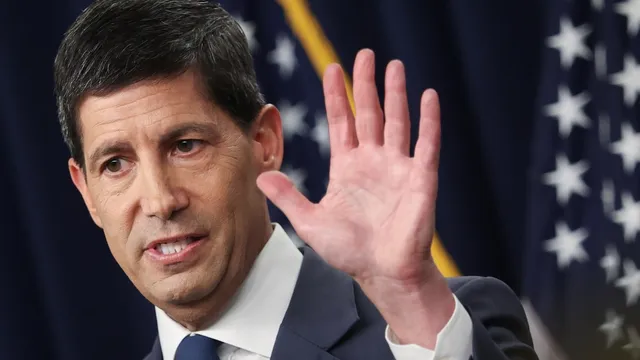
On July 30, 2026, the Federal Reserve decided to maintain its benchmark interest rate in the range of 3.50 percent to 3.75 percent. This decision came after the 30-year fixed-rate mortgage reached its highest level in nearly a year, driven by rising energy prices linked to ongoing geopolitical tensions in the Middle East. Despite the Fed's pause on rate hikes, three of its policymakers advocated for an increase, reflecting a divided stance within the central bank. President Donald Trump expressed support for the Fed's chairman, Kevin Warsh, while emphasizing the need for lower rates to stimulate economic growth.
The decision to freeze interest rates is significant as it impacts the housing market and mortgage rates, which are closely tied to long-term Treasury yields. Following the Fed's announcement, Treasury yields surged to their highest levels since July 2007, with the 30-year Treasury bond yield increasing by 10.5 basis points to 5.201 percent. Analysts predict that mortgage rates could continue to rise, potentially reaching the 7 percent range, which would further strain the finances of borrowers and homeowners looking to refinance.
Inflation remains a critical concern for the Federal Reserve, as it is currently above the central bank's target of 2 percent. The ongoing conflict in Iran and disruptions in oil markets are contributing to fears of persistent inflation, which could lead to future rate hikes. LoanDepot's Chief Investment Officer, Jeff DerGurahian, noted that the Fed's focus will be on inflation reports leading up to its next meeting in September. The market is closely monitoring whether elevated oil prices will influence core inflation, which could dictate the timing of the Fed's next move.
For many borrowers, the prospect of rising mortgage rates is alarming. Those looking to secure a mortgage may find it prudent to lock in rates now, as they can always adjust later if rates decrease. Adjustable-rate mortgages may also present a more affordable option, although they carry the risk of higher rates in the future. As the economic landscape evolves, the decisions made by the Federal Reserve will play a crucial role in shaping the financial futures of millions of Americans.