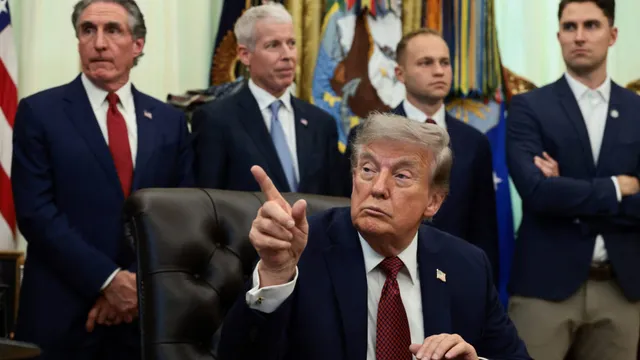
Trump celebrates milestone in nuclear power growth with industry leaders
business
informative
impactful

Trump celebrates milestone in nuclear power growth with industry leaders

11
(Update: )
president of the United States from 2017 to 2021
country primarily in North America
office of the President of the United States in the White House
official residence and workplace of the President of the United States
  • President Donald Trump met with executives from nuclear power companies in the Oval Office.
  • The meeting celebrated a milestone in the administration's push for nuclear energy growth.
  • This initiative is part of a broader strategy to enhance domestic energy production in the U.S.
Share opinion
1

Story

On July 24, 2026, President Donald Trump hosted a meeting in the Oval Office with executives from various nuclear power companies. This gathering was part of the administration's ongoing efforts to promote and accelerate the growth of nuclear power in the United States. During the meeting, Trump highlighted a new milestone achieved in this initiative, indicating that four companies had successfully met the set deadline for their projects. The push for nuclear energy is seen as a critical component of the administration's broader energy strategy, aimed at enhancing domestic energy production and reducing reliance on foreign energy sources. In addition to discussing nuclear power, Trump addressed other pressing issues during the meeting. He commented on the political landscape, stating that he was not feeling pressured to resolve the ongoing conflict with Iran ahead of the upcoming midterm elections. Trump emphasized the importance of taking the right approach to negotiations, suggesting that the elections would take care of themselves. This statement reflects the complexities faced by Republicans as they seek to maintain control of Congress amid various challenges. Trump also faced questions from reporters regarding his administration's stance on potential war crimes related to military actions in Iran. He declined to answer a specific question about the implications of targeting civilian infrastructure, such as power plants and bridges, indicating a reluctance to engage in discussions that could complicate diplomatic efforts. Instead, he mentioned that multiple parties, including Vice President JD Vance and Secretary of State Marco Rubio, were involved in talks with Iran, suggesting a collaborative approach to resolving the conflict. The meeting with nuclear executives underscores the administration's commitment to advancing nuclear energy as a viable option for meeting the country's energy needs. By fostering relationships with industry leaders, Trump aims to bolster support for nuclear projects, which are often met with regulatory hurdles and public skepticism. The administration's focus on nuclear power aligns with its broader goals of energy independence and economic growth, positioning the U.S. as a leader in the global energy market. As the political landscape evolves, the outcomes of these initiatives will be closely monitored by both supporters and critics of the administration's energy policies.

Context

Nuclear energy has been a significant component of the United States' energy landscape, contributing to the economy in various ways. As of 2023, nuclear power plants provide approximately 20% of the nation's electricity, making it the largest source of carbon-free energy. This reliance on nuclear energy not only helps in reducing greenhouse gas emissions but also stabilizes energy prices by providing a consistent and reliable power supply. The economic impact of nuclear energy extends beyond electricity generation; it creates jobs, stimulates local economies, and fosters technological innovation. The construction and operation of nuclear power plants require a skilled workforce, leading to the creation of thousands of jobs in engineering, construction, and plant operations. Additionally, the presence of a nuclear facility can significantly boost local economies through increased demand for goods and services, as well as higher property values in the surrounding areas. Investment in nuclear energy also drives technological advancements and research initiatives. The U.S. has been at the forefront of nuclear technology development, with ongoing research into safer and more efficient reactor designs, such as small modular reactors (SMRs) and advanced reactors. These innovations not only enhance the safety and efficiency of nuclear power but also position the U.S. as a leader in the global nuclear market. The export of nuclear technology and expertise can further contribute to the economy by creating new markets and opportunities for American companies. Moreover, the nuclear industry is a significant contributor to the U.S. economy, generating billions of dollars in revenue and contributing to the gross domestic product (GDP). However, the nuclear energy sector faces challenges that could impact its economic contributions. Public perception and concerns about safety, particularly in the wake of historical accidents, can hinder the development of new plants and the expansion of existing facilities. Additionally, the management of nuclear waste remains a contentious issue, with the need for long-term storage solutions posing both environmental and economic challenges. Policymakers must address these concerns to ensure the continued viability of nuclear energy as a key player in the U.S. energy mix. Furthermore, competition from renewable energy sources, such as wind and solar, has intensified, leading to discussions about the role of nuclear energy in a future low-carbon economy. In conclusion, the impact of nuclear energy on the U.S. economy is multifaceted, encompassing job creation, technological innovation, and contributions to energy stability and environmental sustainability. As the nation navigates the transition to a cleaner energy future, the role of nuclear power will be critical in achieving energy independence and meeting climate goals. Policymakers, industry leaders, and stakeholders must work collaboratively to address the challenges facing the nuclear sector while capitalizing on its potential to drive economic growth and environmental stewardship.