Ukrainian drones strike Russian oil depots, igniting major fires
military conflicts
impactful
controversial

Ukrainian drones strike Russian oil depots, igniting major fires

70
(Update: )
East Slavic language
sovereign state in Eastern Europe and Northern Asia
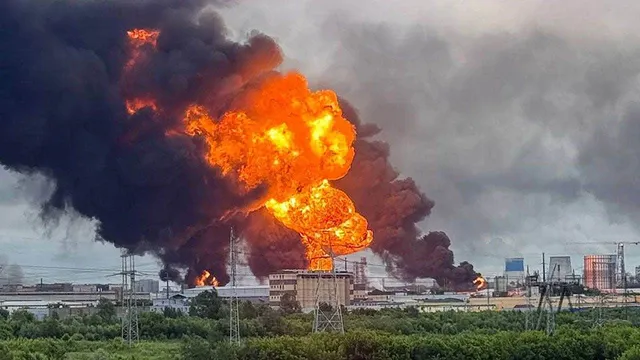
  • Ukrainian drones struck oil depots in Tver and Stavropol regions, causing significant fires.
  • The attacks are part of Ukraine's strategy to disrupt Russian energy supplies amid ongoing conflict.
  • These operations have led to fuel shortages in Russia, prompting a temporary ban on diesel exports.
Share opinion
7

Story

On July 9, 2026, Ukraine's military launched drone strikes against Russian oil infrastructure, specifically targeting oil depots in the Tver and Stavropol regions, which are located over 500 kilometers from Ukraine. The Security Service of Ukraine (SBU) confirmed that these strikes resulted in significant fires at both facilities, which are crucial for the storage and distribution of gasoline and diesel fuel. The attacks are part of Ukraine's ongoing strategy to disrupt Russian energy supplies amid the ongoing conflict. Reports indicate that the strikes were executed as part of a broader campaign to target Russia's oil sector, which is a key source of funding for its military operations against Ukraine. The drone strikes come in the wake of intensified Ukrainian efforts to target Russian energy infrastructure, which have included attacks on oil tankers and refineries. Ukrainian President Volodymyr Zelenskyy has emphasized the importance of these operations as a means to impose long-range sanctions on Russia, aiming to bring the consequences of the war back to Russian soil. The strikes have reportedly led to fuel shortages in various regions of Russia, prompting the Russian government to temporarily ban diesel exports to protect domestic supplies. This situation highlights the increasing impact of the conflict on the everyday lives of Russian citizens, as they face challenges in accessing fuel. In addition to the strikes on oil depots, Ukrainian forces have been actively targeting maritime assets, including tankers and cargo vessels, in the Sea of Azov. These operations are designed to disrupt the logistics of fuel supply to Russian forces, further complicating Russia's military operations. The ongoing drone offensive reflects Ukraine's commitment to leveraging its drone capabilities to strike deep into Russian territory, demonstrating a shift in the dynamics of the conflict as both sides continue to adapt their strategies. As the situation evolves, the international community is closely monitoring the developments, particularly in light of the recent discussions between Ukrainian officials and U.S. President Donald Trump regarding military support. The provision of advanced air defense systems and drones to Ukraine is expected to enhance its operational capabilities, potentially leading to more significant strikes against Russian military and economic targets. The conflict remains fluid, with both sides engaged in a tit-for-tat exchange of strikes, underscoring the ongoing volatility in the region.

Context

The ongoing conflict between Ukraine and Russia has seen a significant escalation in the use of drone technology, particularly in the context of targeting Russian fuel supplies. Ukrainian drone attacks have emerged as a strategic tool aimed at disrupting the logistics and supply chains that are vital for sustaining Russian military operations. These attacks have not only targeted fuel depots but also transportation routes, including railways and pipelines, which are crucial for the distribution of fuel across the front lines. The effectiveness of these drone strikes has raised concerns within the Russian military regarding the vulnerability of their supply infrastructure, prompting a reassessment of their defensive strategies. The impact of these drone attacks on Russian fuel supplies has been multifaceted. Firstly, the immediate destruction of fuel reserves has led to a short-term reduction in the availability of fuel for military vehicles and equipment, which can hinder operational capabilities. Reports indicate that certain regions have experienced fuel shortages, affecting not only military logistics but also civilian transportation and energy supplies. This disruption can have a cascading effect on the overall war effort, as the inability to maintain fuel supplies can lead to decreased mobility and operational readiness for Russian forces. Moreover, the psychological impact of these drone strikes cannot be underestimated. The perception of vulnerability among Russian military personnel and the general populace may lead to decreased morale and increased pressure on military leadership to enhance protective measures. The Russian government has responded by increasing air defense systems around critical infrastructure, but the effectiveness of these measures remains to be seen. The ongoing threat of drone attacks forces Russia to allocate resources to counter-drone technologies, which could otherwise be used for offensive operations. In conclusion, the Ukrainian drone attacks on Russian fuel supplies represent a significant shift in the dynamics of the conflict. By effectively targeting fuel infrastructure, Ukraine has not only disrupted Russian military operations but has also instilled a sense of uncertainty within the Russian military command. As the conflict continues to evolve, the role of drone warfare will likely become increasingly prominent, shaping the strategies and responses of both sides. The long-term implications of these attacks on the overall conflict and regional stability remain to be fully realized, but their immediate effects are already evident in the operational challenges faced by Russian forces.