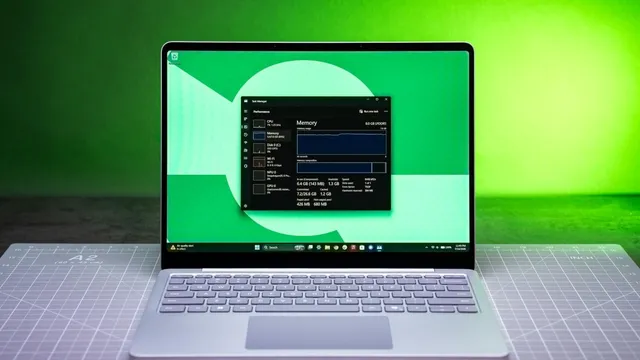
In 2026, Microsoft released a new version of its Surface Laptop featuring 8GB of RAM, which has been criticized for its performance issues. The laptop retains the same hardware design as its predecessor but comes with a higher price tag of $950. Users have reported that the limited RAM is insufficient for running Windows 11 smoothly, leading to performance lags during multitasking and video streaming. This has raised concerns about the laptop's usability over time, especially as software demands increase.
The Surface Laptop's specifications include a Snapdragon X Plus processor, which is similar to the previous model, but the reduction in RAM from 16GB to 8GB has been a significant downgrade. While the laptop is capable of basic tasks like web browsing and video streaming, users have experienced slowdowns during more demanding activities, such as video calls with shared content. This performance issue highlights the challenges of using Windows 11 on devices with minimal RAM, especially as Microsoft aims to improve the operating system's reliability for lower-cost hardware.
The ongoing RAM shortage has led manufacturers to offer more entry-level devices with 8GB of RAM, but experts warn that this amount will not be sufficient for a Windows laptop in the coming years. Comparatively, Apple's MacBook Neo, which also features 8GB of RAM, is priced lower than the Surface Laptop, raising questions about the value proposition of Microsoft's offering. As the tech landscape evolves, consumers are left to consider whether they should invest in devices with limited RAM or opt for alternatives that may provide better longevity and performance.
In conclusion, the 8GB Surface Laptop's performance issues serve as a cautionary tale for consumers looking for budget-friendly options in the laptop market. As software requirements continue to grow, the viability of devices with only 8GB of RAM is increasingly in doubt, prompting potential buyers to weigh their options carefully before making a purchase.