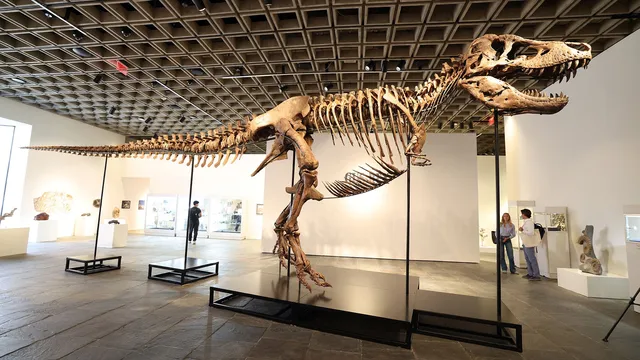
The impact of private fossil collections on paleontology is a multifaceted issue that has garnered increasing attention in recent years. Private collectors often acquire fossils through various means, including legal purchases, field collecting, and sometimes through less ethical channels. While these collections can contribute to the overall body of paleontological knowledge, they also raise significant concerns regarding the preservation of fossils, the accessibility of scientific information, and the ethical implications of fossil ownership. The role of private collectors in paleontology is complex, as they can both hinder and help scientific progress depending on their practices and intentions.
One of the primary benefits of private fossil collections is that they can serve as repositories of specimens that might otherwise remain unstudied. Many private collectors are passionate about paleontology and invest considerable resources into acquiring, preserving, and sometimes even restoring fossils. This enthusiasm can lead to the discovery of new specimens that contribute to scientific research. Additionally, private collections can provide valuable data that may not be available in public institutions due to funding constraints or bureaucratic limitations. However, the lack of regulation in private collecting can lead to significant issues, such as the loss of context for fossils, which is crucial for understanding their geological and biological significance.
Moreover, the existence of private collections can create barriers to access for professional paleontologists. Fossils held in private hands may not be available for study, limiting the ability of researchers to conduct comprehensive analyses. This situation can lead to a fragmented understanding of paleontological records, as important specimens may be sequestered away from the scientific community. Furthermore, the commercialization of fossils can incentivize unethical collecting practices, including poaching and the illegal trade of fossils, which can have devastating effects on local ecosystems and heritage sites. The ethical implications of private fossil ownership are significant, as they challenge the notion of fossils as shared scientific heritage rather than commodities.
In conclusion, while private fossil collections can enhance the field of paleontology by providing access to unique specimens and fostering individual passion for the discipline, they also pose serious challenges that must be addressed. The paleontological community must engage with private collectors to promote ethical practices, encourage the sharing of information, and ensure that fossils are preserved in a manner that respects their scientific value. Collaborative efforts between public institutions and private collectors can lead to a more comprehensive understanding of paleontological history, benefiting both science and society as a whole. Ultimately, the impact of private fossil collections on paleontology will depend on the willingness of all stakeholders to work together towards common goals of preservation, research, and education.