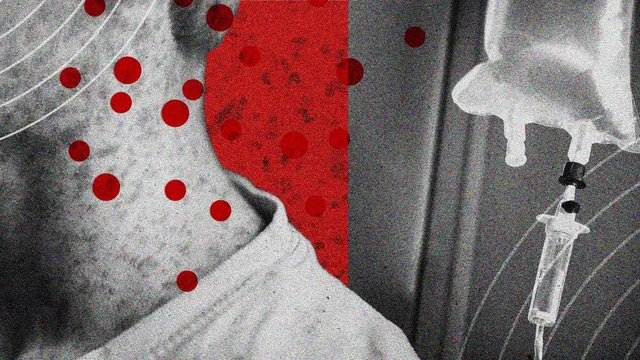
Vaccination has long been recognized as one of the most effective public health interventions to prevent infectious diseases, including measles. The relationship between vaccination rates and the incidence of measles cases is critical to understanding how to control outbreaks and protect vulnerable populations. Measles is a highly contagious viral disease that can lead to severe complications, including pneumonia, encephalitis, and death. The World Health Organization (WHO) recommends a two-dose measles vaccination schedule, which has been shown to provide strong immunity and significantly reduce the incidence of the disease. When vaccination coverage falls below the threshold of approximately 95%, herd immunity is compromised, leading to increased susceptibility within the community and a higher likelihood of outbreaks.
Recent data indicates that vaccination rates have fluctuated in various regions, influenced by factors such as vaccine hesitancy, misinformation, and access to healthcare. In areas where vaccination rates have declined, there has been a corresponding rise in measles cases. For instance, in the past few years, several countries have experienced significant outbreaks, often linked to communities with low vaccination coverage. These outbreaks not only pose a risk to unvaccinated individuals but also threaten the health of those who cannot be vaccinated due to medical reasons, such as infants or individuals with compromised immune systems.
Public health campaigns aimed at increasing vaccination rates have proven effective in reversing trends of declining immunization. Strategies include educational initiatives to inform the public about the safety and efficacy of vaccines, as well as addressing common misconceptions that contribute to vaccine hesitancy. Additionally, improving access to vaccination services, particularly in underserved communities, is essential to ensure that all individuals have the opportunity to receive the measles vaccine. Collaborative efforts between healthcare providers, community organizations, and government agencies are crucial in promoting vaccination and preventing outbreaks.
In conclusion, the impact of vaccination rates on measles cases is profound and underscores the importance of maintaining high immunization coverage to protect public health. Continued vigilance and proactive measures are necessary to combat misinformation and ensure equitable access to vaccines. By fostering a culture of trust in vaccination, we can work towards eliminating measles and safeguarding future generations from this preventable disease.