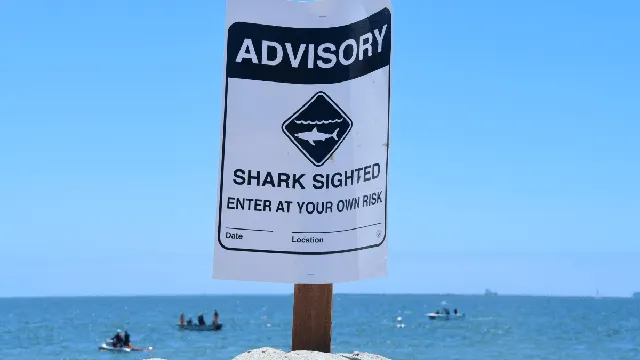
The impact of warming ocean temperatures on marine life is a critical issue that has garnered significant attention in recent years. As global temperatures rise due to climate change, ocean temperatures are also increasing, leading to a cascade of effects on marine ecosystems. Warmer waters can alter species distributions, affect breeding and feeding patterns, and disrupt the delicate balance of marine food webs. Many marine species, including fish, corals, and marine mammals, are sensitive to temperature changes, and even slight increases can have profound implications for their survival and reproduction. For instance, fish species may migrate to cooler waters, which can lead to shifts in local fisheries and affect the livelihoods of communities that depend on these resources. Additionally, coral reefs, which are highly sensitive to temperature fluctuations, are experiencing widespread bleaching events, resulting in the loss of biodiversity and the degradation of vital marine habitats.
The physiological stress caused by elevated ocean temperatures can also lead to increased mortality rates in marine organisms. Species that are unable to adapt quickly to changing conditions may face extinction, while others may thrive, leading to changes in community structure. For example, warmer waters can enhance the growth of harmful algal blooms, which can produce toxins that affect marine life and human health. These blooms can also deplete oxygen levels in the water, creating dead zones where few organisms can survive. The consequences of these changes extend beyond individual species; they can disrupt entire ecosystems, leading to a loss of biodiversity and the services that healthy marine environments provide, such as carbon sequestration, coastal protection, and tourism.
Furthermore, the socio-economic implications of warming ocean temperatures are significant. Fisheries are a primary source of protein for billions of people worldwide, and changes in fish populations can threaten food security and economic stability in coastal communities. As fish stocks shift in response to warming waters, competition for resources may increase, leading to conflicts among fishing communities and nations. Additionally, the tourism industry, which relies heavily on healthy marine ecosystems, may suffer as coral reefs decline and marine species become less abundant. The economic ramifications of these changes highlight the urgent need for effective management and conservation strategies to mitigate the impacts of climate change on marine life.
In conclusion, the warming of ocean temperatures poses a serious threat to marine life, with far-reaching consequences for ecosystems, species, and human communities. Addressing this issue requires a multifaceted approach that includes reducing greenhouse gas emissions, implementing sustainable fishing practices, and protecting marine habitats. By taking proactive measures, we can help safeguard the future of our oceans and the myriad of life they support, ensuring that they continue to provide essential resources and services for generations to come.