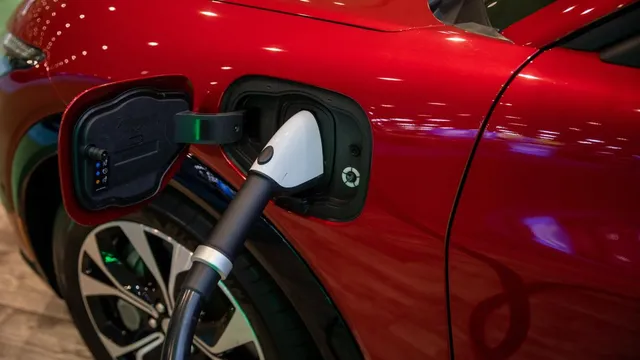
The history of electric vehicle (EV) charging infrastructure in the U.S. has evolved significantly over the past few decades, reflecting the growing interest in sustainable transportation and the need for efficient energy solutions. The journey began in the late 20th century when the first electric vehicles were introduced, but it wasn't until the early 2000s that the concept of a widespread charging infrastructure gained traction. Initial efforts were largely driven by government initiatives and the automotive industry, which recognized the potential of electric vehicles to reduce greenhouse gas emissions and dependence on fossil fuels. Early charging stations were limited in number and often located in urban areas, primarily serving a niche market of environmentally conscious consumers and early adopters of EV technology.
As the 2010s progressed, the landscape of EV charging infrastructure began to change dramatically. The introduction of more affordable and efficient electric vehicles, such as the Nissan Leaf and Tesla Model S, spurred consumer interest and demand for charging solutions. In response, both public and private sectors began investing heavily in the development of charging networks. The federal government, along with various state initiatives, allocated funds to support the installation of charging stations across highways and urban centers. This period also saw the emergence of fast-charging technology, which significantly reduced the time required to charge an electric vehicle, making EVs more practical for long-distance travel.
By the mid-2010s, the charging infrastructure had expanded to include a mix of Level 2 chargers, which are suitable for home and workplace charging, and DC fast chargers, which can provide a substantial charge in a short amount of time. Major companies, including ChargePoint, EVgo, and Tesla, began to establish extensive networks of charging stations, often strategically placed along major highways to facilitate long-distance travel. The collaboration between automakers, energy providers, and technology companies played a crucial role in this expansion, leading to the establishment of standards and protocols that ensured compatibility across different EV models and charging stations.
As of 2026, the EV charging infrastructure in the U.S. continues to grow and adapt to the increasing number of electric vehicles on the road. The Biden administration has set ambitious goals to further enhance the charging network, aiming for 500,000 public charging stations by 2030. This initiative is part of a broader strategy to promote clean energy and combat climate change. Additionally, advancements in charging technology, such as wireless charging and ultra-fast charging solutions, are on the horizon, promising to make EV ownership even more convenient. The future of EV charging infrastructure looks promising, with ongoing investments and innovations poised to support the transition to a more sustainable transportation system.