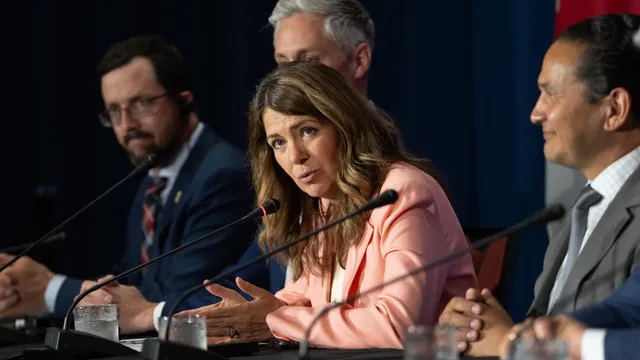
In Canada, on July 23, 2026, provincial leaders convened in Charlottetown for their annual summer meetings with Prime Minister Mark Carney. The meeting's urgency was heightened by the U.S. administration's announcement of impending tariffs on Canadian imports, set to take effect on August 19. The premiers expressed concerns over the impact of these tariffs, particularly on industries such as dairy, alcohol, and automobiles, which have been targeted by U.S. President Donald Trump. British Columbia Premier David Eby emphasized the need for a coordinated response among provinces, while Alberta Premier Danielle Smith advocated for a more constructive approach to negotiations rather than retaliatory measures. The discussions also included the upcoming expiration of health transfer agreements, which are crucial for funding healthcare systems across the provinces. Premier Rob Lantz of Prince Edward Island highlighted the need for a long-term commitment from the federal government to ensure adequate healthcare funding, as many provinces face fiscal challenges. The premiers collectively called for a growth rate of at least five percent in federal funding after the current agreement ends in 2028, stressing the importance of a reliable partnership with Ottawa to address healthcare access and staffing shortages. The meeting aimed to develop a comprehensive strategy to tackle both the trade issues with the U.S. and the healthcare funding crisis, with the hope of reaching an agreement before the tariffs are implemented.